A strong streetwear collection starts with how the clothes fit, feel and work together. A graphic may catch attention, but the silhouette, fabric and finishing shape the product people wear again.
If you are planning cotton T-shirts, hoodies, sweatpants or shorts, this guide outlines the decisions to make before moving from an idea to a production brief in Vietnam.
Start with a clear collection direction
Build the first drop around a few connected pieces. An oversized tee, a zip hoodie and relaxed sweatpants can share a colour palette and branding language while serving different uses. Decide which piece leads the collection and which pieces support it.
Describe the fit precisely: boxy or longline, dropped or regular shoulder, cropped or full-length hoodie, straight or wide-leg pants. Reference images help communicate a direction, but measurements and an approved sample turn that direction into something a manufacturing partner can follow.
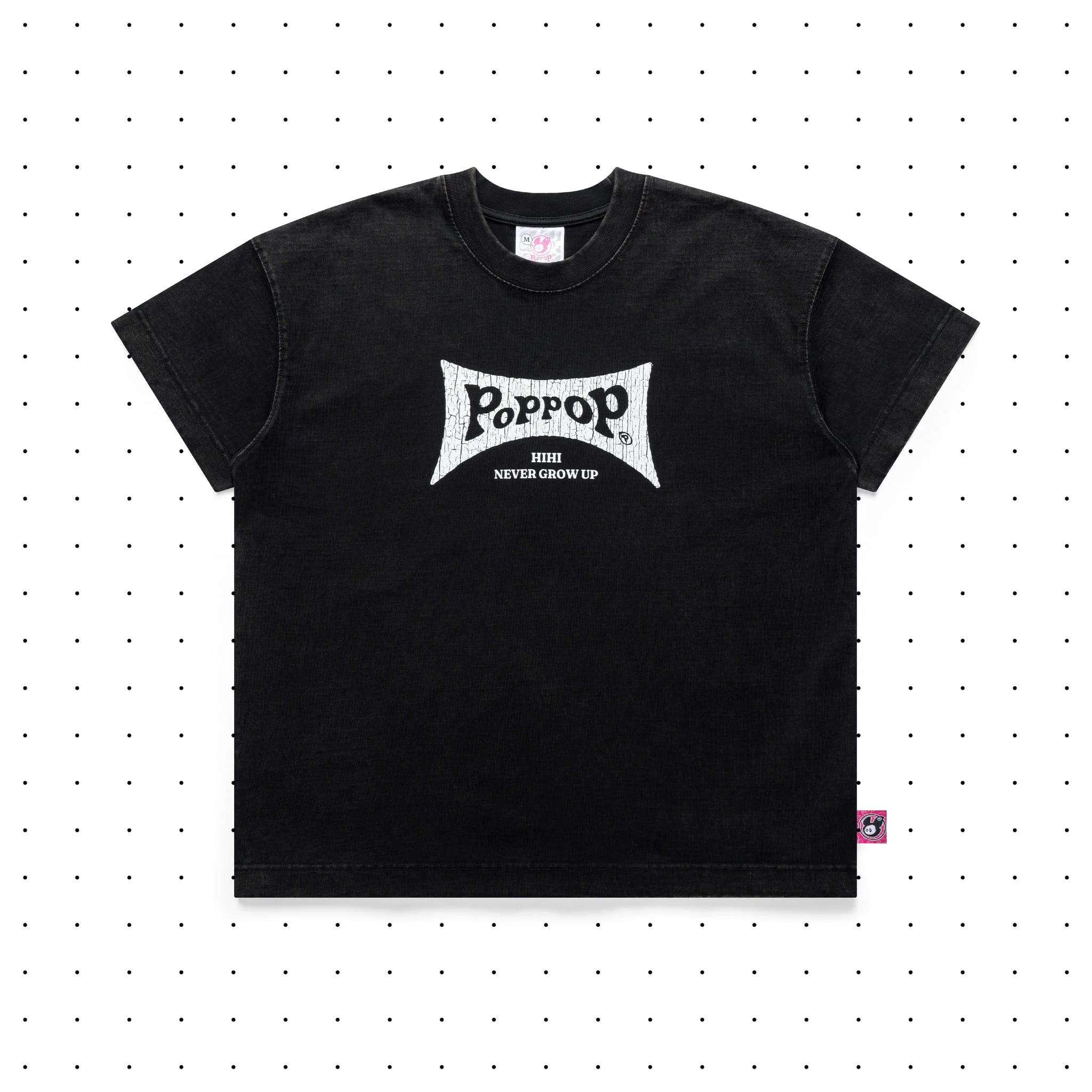
Choosing cotton T-shirts: 250, 270 or 300 GSM?
GSM describes fabric weight per square metre. It is one part of a fabric specification, alongside composition, knit construction, finish, stretch and shrinkage. Weight alone does not tell you whether a T-shirt will feel soft, hold its shape or suit your customer.
- 250 GSM: include it in your sampling shortlist when exploring a substantial cotton tee.
- 270 GSM: compare it with adjacent weights to judge the difference in drape and hand feel.
- 300 GSM: consider it when developing a heavier tee, then check comfort and the way it sits in your intended silhouette.
Ask to review actual fabric options rather than selecting by a number alone. Confirm whether the quoted weight refers to finished fabric, and check the garment after washing. These weights are planning options, not specifications for the reference products shown here.
Develop hoodies and sweatpants as a complete set
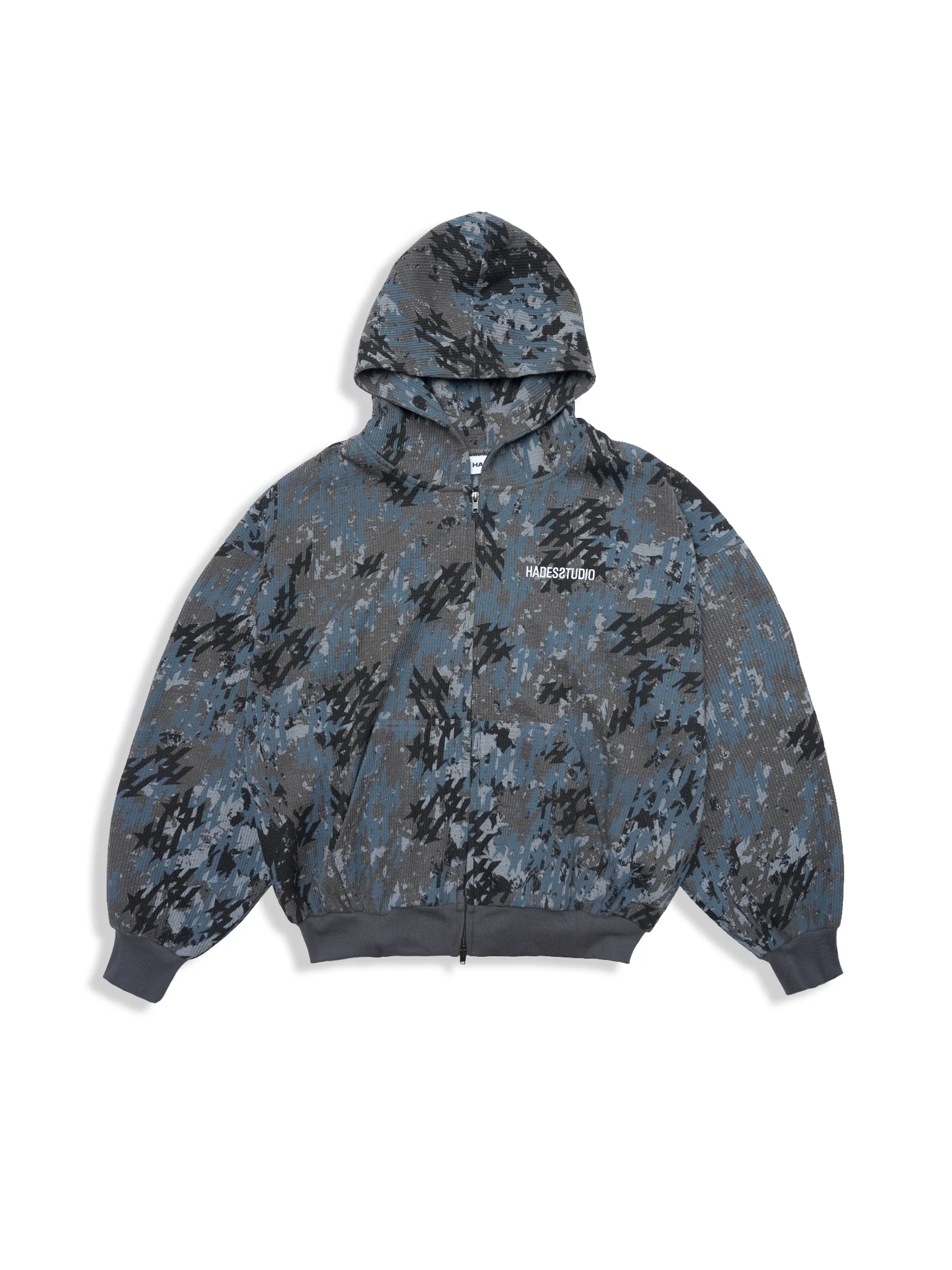
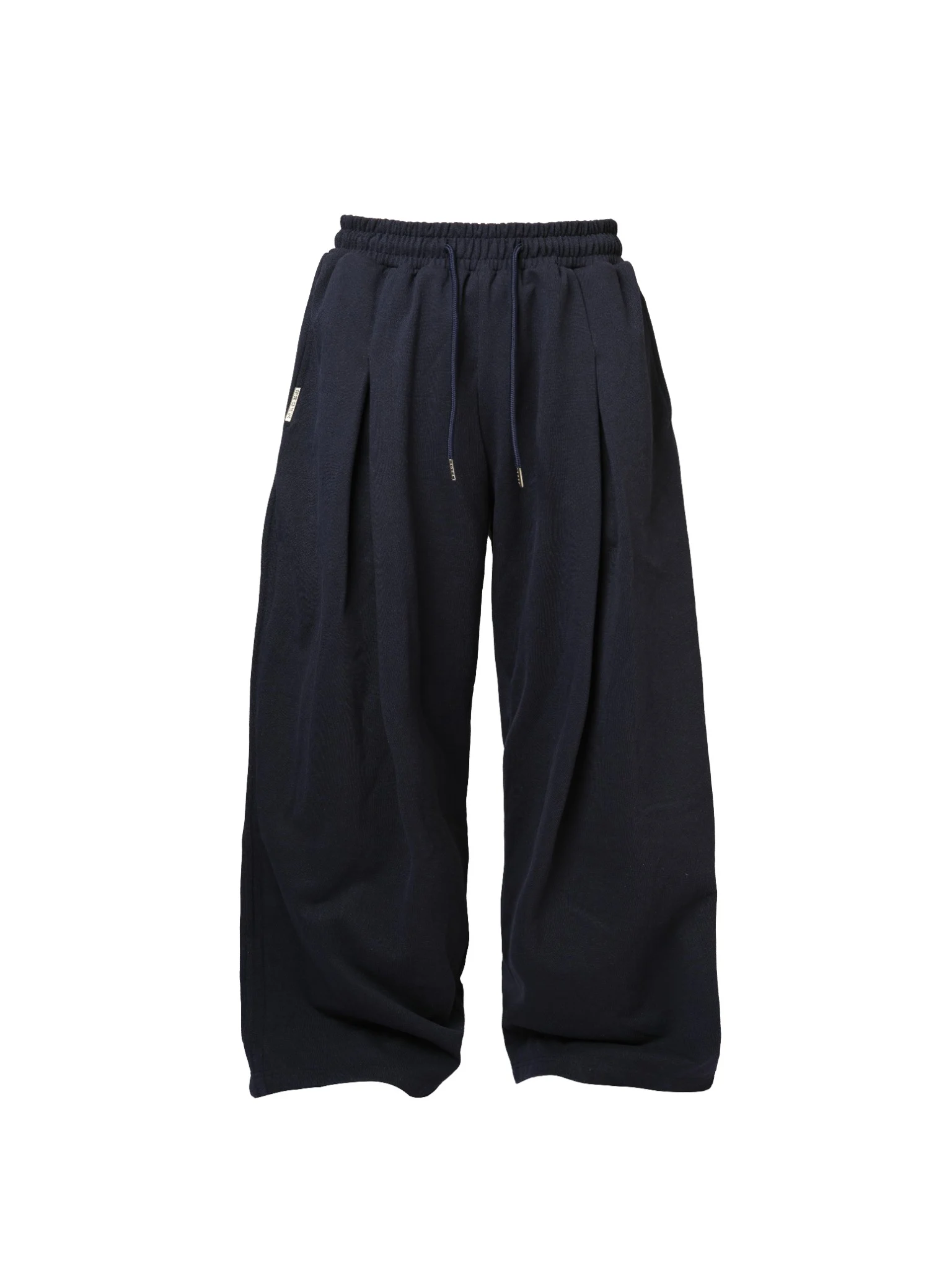
For a hoodie and pants set, review fabric, colour and finish together. Discuss French terry and brushed fleece options with your development partner, then compare samples against the feel and appearance you want.
On the hoodie, pay attention to hood shape, neckline, sleeve volume, cuff recovery, pocket position and zip behaviour. On the pants, check rise, thigh width, leg opening, waistband comfort and usable pockets. Matching colour names are not enough: approve the actual materials side by side.
Plan prints, embroidery and finishing early
A decoration decision affects more than appearance. Artwork placement, fabric surface, seam positions and garment construction all need to work together. Share clear artwork files, dimensions and placement references before sampling.
For printed graphics, review colour, edges, surface feel and appearance after washing. For embroidery, check stitch appearance, backing and comfort against the skin. If a washed or distressed finish is part of the design, agree on an acceptable range of variation rather than expecting every piece to look identical.
Explore the options in our printing, embroidery and fabric and material pages.
Approve a sample with a practical checklist
Use the sample review to resolve decisions, not simply to decide whether the garment looks good in a photograph. Record feedback in one clear document with measurements and annotated photos.
- Fit: review the garment on a person and compare key measurements with your size specification.
- Fabric: confirm colour, hand feel, opacity and the finish you approved.
- Construction: inspect seams, pockets, zips, cuffs and waistband behaviour.
- Decoration: check artwork scale, placement and consistency.
- Wash review: compare dimensions and appearance before and after the agreed care process.
- Brand details: approve labels, care information and packaging requirements.
Keep an approved reference sample and a written specification for the next stage. Confirm any remaining changes before authorising production.
Prepare a brief your manufacturing partner can use
A useful brief includes product sketches or references, a measurement sheet, fabric preferences, colourways, decoration details, quantities by size and colour, packaging requirements and your target delivery window. Separate essential requirements from points where you are open to alternatives.
MOQ, cost and timing depend on the materials, colour development, construction, customisation and the selected manufacturing partner. Ask for these to be confirmed against your actual brief. Avoid building a launch plan around a generic promise that has not been checked for your product.
How VIENA FACTORY supports your streetwear project
VIENA FACTORY connects brands and businesses with suitable manufacturing partners in Vietnam, supporting the journey from product development and sampling to production coordination and delivery.
Whether you are developing heavyweight tees, graphic hoodies, relaxed pants or shorts, the starting point is a clear brief and a shared understanding of the product. Browse our streetwear product references to communicate your direction, then discuss the fabric, fit and branding details that make it your own.
Brand products pictured in this article are visual references. Their inclusion does not state that VIENA manufactured those products or has a manufacturing partnership with the featured brands.
Streetwear production: common questions
Is 300 GSM always better than 250 GSM for a cotton tee?
No. Choose by the intended fit, feel and use, then compare actual fabrics and samples. GSM is a specification to review alongside construction and finishing.
Can I develop hoodies and sweatpants together?
Yes, include both in your development brief so fabric, colour, trims and proportions can be reviewed as a coordinated set. Confirm feasibility and quantities with the selected partner.
What should I send before requesting a quotation?
Send product references, measurements, fabric and decoration requirements, quantities by size and colour, and your target timeline. Highlight any details that still need development.
Ready to develop your next drop?
Share what you want to make, the fit you have in mind and the details that matter to your brand. Send your streetwear project brief to VIENA FACTORY or email tomvo@vienafactory.com.