A cotton T-shirt quotation becomes useful when it describes a product you can actually approve. For a streetwear brand sourcing in Vietnam, the first task is to turn a visual idea into a fabric, fit and finishing brief. Keep 250–300 GSM as the development range, then narrow it through physical samples.
Specify the fabric beyond its weight
Write the requested fibre composition separately from GSM. If the brief requires 100% cotton, say so; do not let a cotton-rich alternative pass as an identical substitution. Ask for available jersey constructions, finishing options and a swatch reference. Record which face and reverse you approved, plus the intended wash and drying instructions.
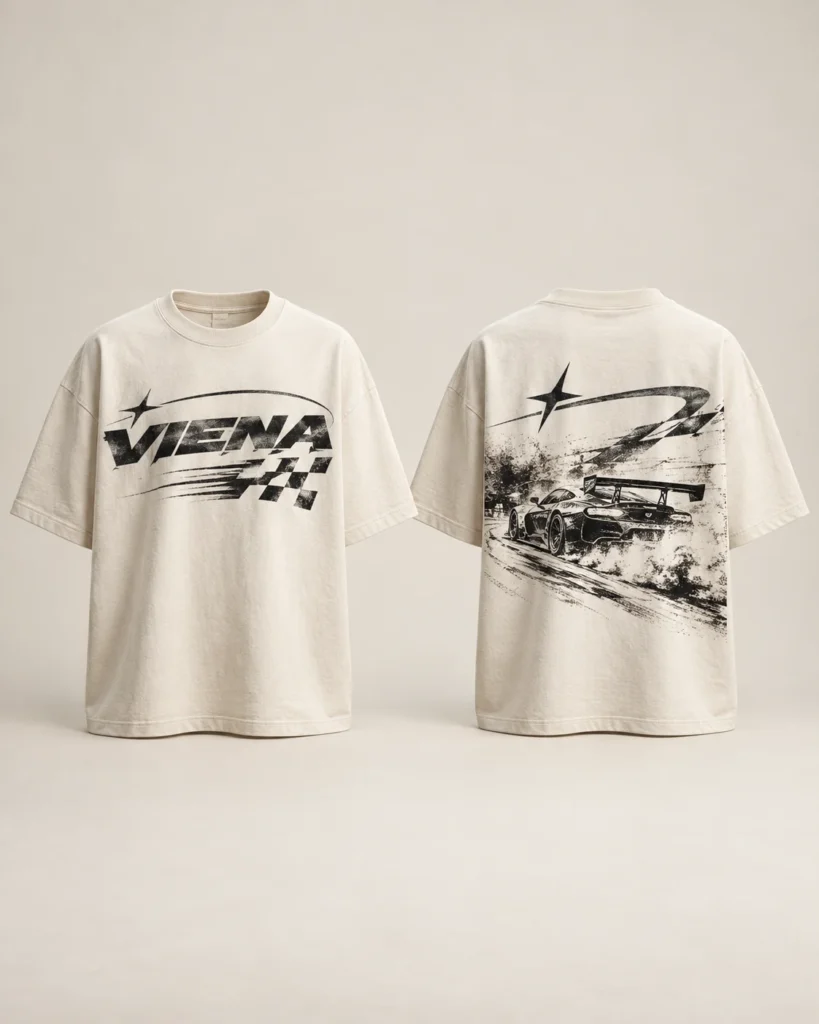
Define a fit that survives interpretation
Attach a measurement diagram covering chest width, body length, shoulder, sleeve and neck opening. A reference photograph can show attitude, but it cannot explain every dimension. Identify whether your customer expects a boxy, regular or long silhouette. Agree which measurements matter most and what variation will be acceptable.
Make the quotation comparable
Ask each shortlisted partner to price the same fabric, quantities, artwork and packaging. Separate sample development, bulk garments, decoration and delivery assumptions. A lower total is difficult to assess if one quotation excludes labels or uses a different material. Confirm proposed substitutions before proceeding.
Your development checklist
- A numbered fabric swatch with composition and target GSM
- A base-size measurement sheet and size breakdown
- Artwork dimensions, colours and placement
- An approval sequence before bulk cutting
Can a photo replace a technical brief?
Use a photo to explain direction, then add measurements and material details. The approved sample should settle any interpretation that remains.
Turn a cotton tee idea into a comparable specification
A request for a premium cotton tee leaves several different products open to interpretation. Begin with one base size and a fabric reference, then identify what must remain fixed when suppliers quote. A 270 GSM jersey and a 270 GSM interlock are not automatically substitutes: construction changes the way the body hangs and stretches. Separate the garment specification from the artwork so you can understand whether a cost difference comes from the blank, decoration or packing. For a first order, keep an approval record with the swatch code, measurement-sheet revision and dated sample photographs. That record is more useful for a repeat order than a screenshot labelled “same as before”.
| Decision | What to review | What to agree |
|---|---|---|
| Fabric identity | State composition, knit construction, finish and target weight; approve a labelled swatch. | Ask whether the quoted fabric is stock or requires a separate knitting/dyeing run. |
| Body specification | Mark chest, length, shoulder and sleeve on a measurement diagram. | Request the base-size sample before paying for a complete size set. |
| Decoration scope | List print size, positions, colours and label requirements separately. | Compare the same blank with and without each decoration operation. |
A worked cotton-tee enquiry for a first collection
Consider an illustrative enquiry for 100 boxy tees in one colour, with a 270 GSM cotton-jersey direction and one chest graphic. This is a planning example, not a stock offer or quotation. The first useful document is a measurement drawing: identify half chest, body length, shoulder, sleeve and opening on one base size. Add the requested size breakdown and explain which points are still undecided. That lets the development team separate pattern questions from material availability.
Next, compare a plain fit sample with a decoration strike-off on the selected fabric. If fit is wrong, changing the print process will not fix it. If the transfer feels too solid, enlarging the body will not make the graphic softer. Make a written decision at each stage: material reference, pattern revision, artwork revision and the sample that closes the approval. Where the first sample uses a temporary fabric, label which observations remain provisional.
For the quotation, request development charges, bulk garment price, decoration, labels/packing and freight assumptions separately. Clarify whether the 100-piece basis is per style, per colour or the total enquiry. A two-colour launch may require a different material commitment from one colour, even when garment count is unchanged. Ask the team to explain any stock-fabric alternative and approve it before it becomes part of the order.
Before release, retain a complete reference with the accepted fit, material and graphic. The repeat order should identify that version rather than refer to a website photo. A clear approval trail improves communication if a colour, trim or fabric booking changes later.
Does 300 GSM automatically make a better T-shirt?
No. A weight specification does not settle softness, recovery, shrinkage or fit. Choose the garment behaviour your customer needs, then compare actual samples at suitable weights.
Continue your product development
For the next decision, read 250 vs 270 vs 300 GSM Cotton Tees: How to Choose, compare Cotton Tee Shrinkage: How to Review a Wash Sample, and use Quoting a Streetwear Drop: Tees, Hoodies and Fleece Sets to complete the brief.
Discuss the next sample with VIENA FACTORY
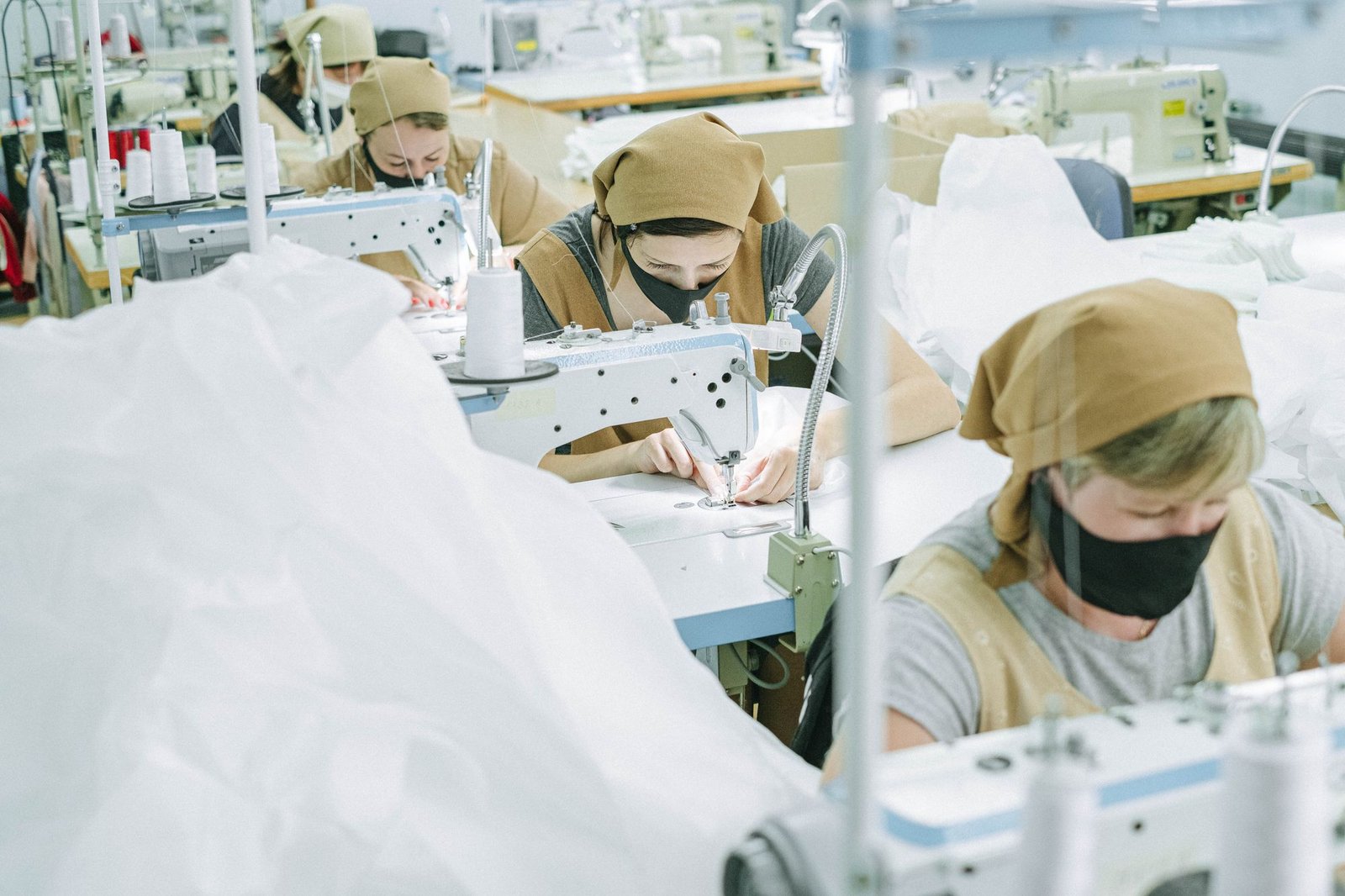
Share your product references, target measurements, material preferences and quantity breakdown. VIENA FACTORY develops samples and manufactures clothing in Vietnam through specialised production units, with our team managing the agreed production stages. Send your project brief, or explore our streetwear references and collection development guide.
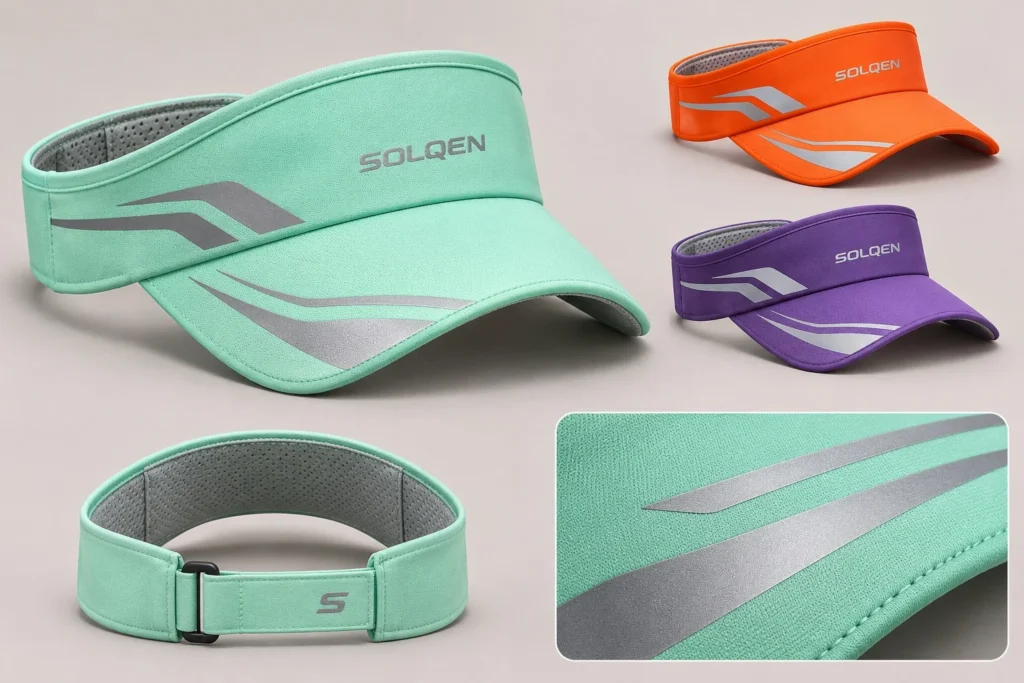
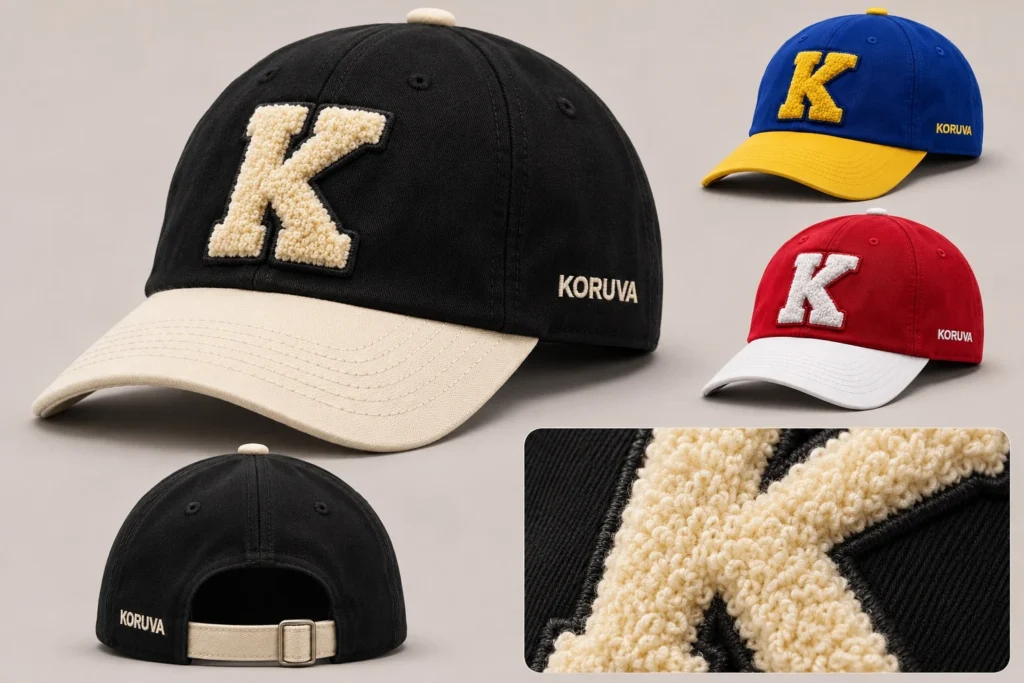
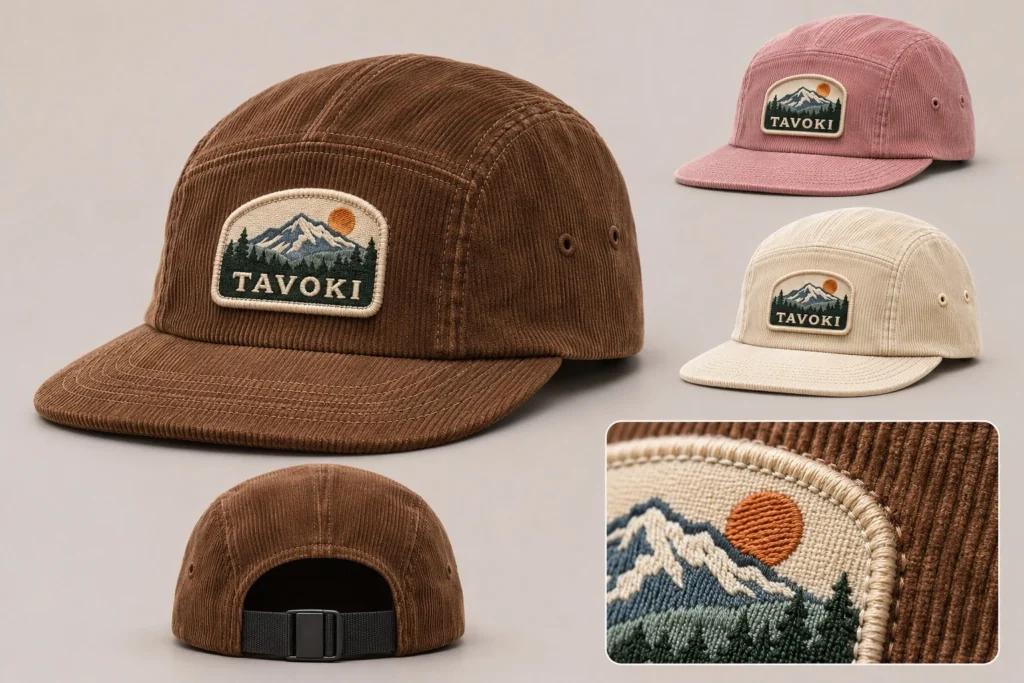
Reference images illustrate design directions and do not identify products manufactured by VIENA or imply a partnership with the pictured brand. GSM figures in this article are development targets; composition, availability and final specifications require project confirmation.