A useful supplier shortlist begins with the product, not a claim that one factory is best for every garment. For 250–300 GSM cotton tees and 360–420 GSM fleece or French terry pieces, ask Vietnam partners to respond to a consistent development brief.
Match capability to the collection
Explain whether you need tees, hoodies, sweatpants, shorts, half-zips or fleece jackets. Share the planned decoration techniques and intended fit. Ask which processes are handled directly and which involve other specialists, and who coordinates approval across them.
Compare evidence and responsibilities
Request relevant samples and a clear account of the development process. Discuss who sources fabric, manages artwork changes, checks production and handles delivery arrangements. Confirm any certification claim through appropriate documentation rather than repeating a website statement as verified fact.
Begin with a defined next step
Set a sample scope, deliverables and review sequence before bulk commitments. Ask for MOQ, price and timing against your actual quantities and materials. VIENA FACTORY develops and manufactures clothing through specialised production units in Vietnam; availability and commercial terms are confirmed for the order.
Your development checklist
- Same brief shared with each candidate
- Direct and specialist processes clarified
- Responsibility for approvals documented
- Sample scope and quotation assumptions agreed
Does one supplier have to make every piece?
Not necessarily. Discuss how the collection can be coordinated while maintaining clear responsibility for quality and approvals.
Evaluate the supplier’s process against your exact product
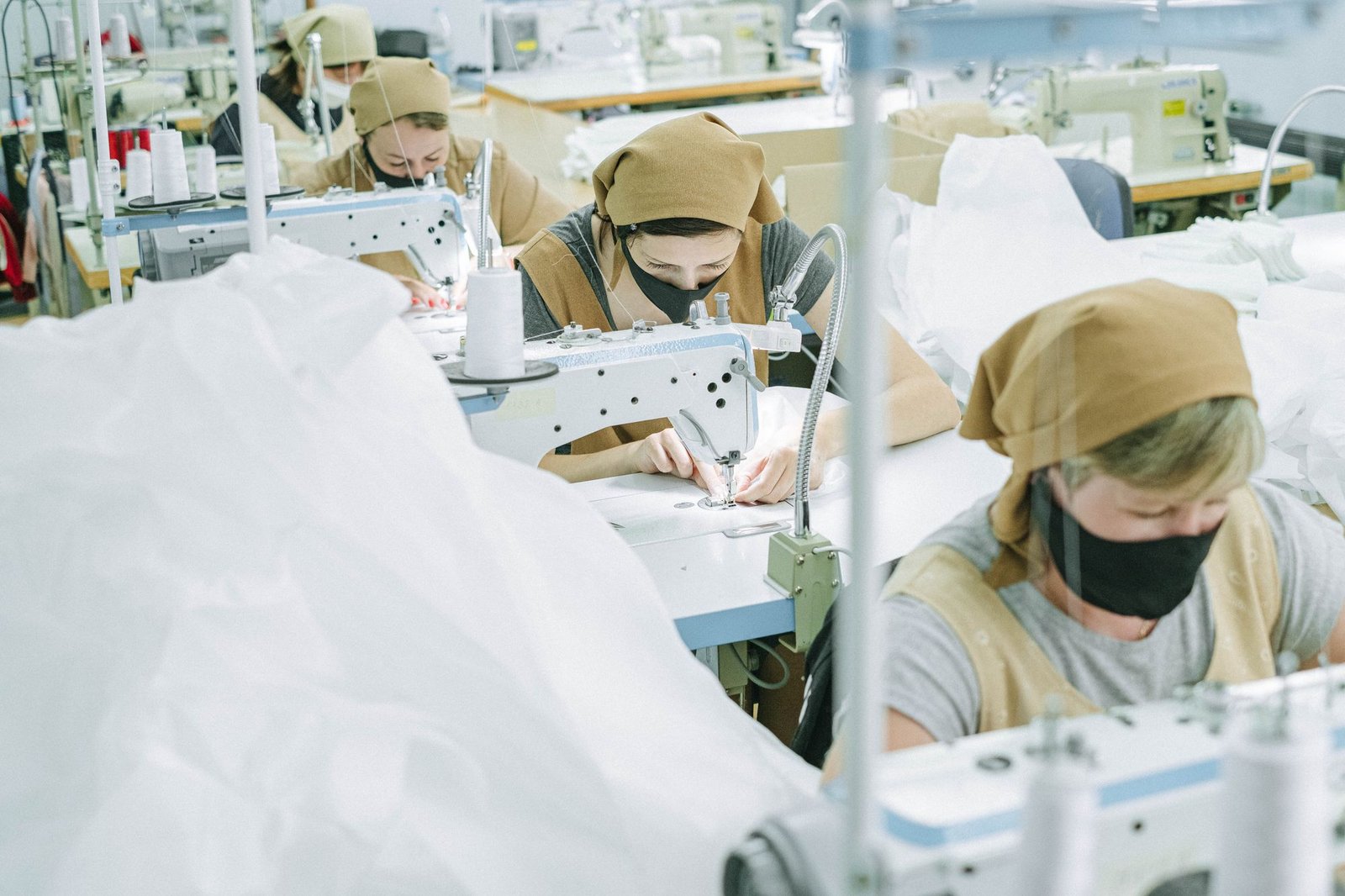
A supplier comparison should begin with a controlled brief and evidence relevant to that garment. Ask who sources fabric, develops the pattern, decorates, inspects and arranges shipment. A strong tee sample does not automatically prove capability for a padded jacket. Request material and sample records that can be tied to the proposed order. Confirm whether you are buying from a factory, a sourcing partner or a coordinator, and identify the accountable contact. VIENA develops samples, manufactures garments and manages the agreed production stages; the quotation should describe the order scope.
| Decision | What to review | What to agree |
|---|---|---|
| Capability | Review a relevant sample and the proposed production route. | Ask which steps are performed by which partner. |
| Commercial clarity | Separate sample, bulk, decoration, packing and transport costs. | Confirm exclusions and revision charges. |
| Quality responsibility | Agree sample sign-off, inspection and issue handling. | Keep approvals in a traceable versioned record. |
Ask for evidence that answers a buyer’s risk
For material risk, request the proposed fabric identity and an approval swatch. For fit risk, request a measured sample tied to a pattern revision. For decoration risk, request a strike-off or sew-out on that material. For delivery risk, request a packing and shipping proposal for the real destination. A general factory photo does not replace any of these order-specific records.
Confirm the approvals and responsibilities agreed between your brand and our VIENA production team. Identify who signs off material substitutions, who receives sample comments and who handles an issue discovered before shipment. A central contact is valuable only when approvals and responsibilities remain clear. Keep important decisions in writing so a change of staff does not change the product definition.
Avoid selecting solely from a low unit price. Check whether sample revisions, size sets, decoration setup, packing and transport are included. Ask how future reorders will identify the same approved fabric and pattern. If an offer depends on stock material, confirm what happens when that stock is exhausted before planning a repeat launch.
What should I send for an initial Vietnam sourcing enquiry?
A product reference, target fabric, base-size measurements, artwork, quantity split and destination give the team a useful starting point. State what is still undecided so it can be reviewed.
Continue your product development
For the next decision, read Quoting a Streetwear Drop: Tees, Hoodies and Fleece Sets, compare Cotton T-Shirt Manufacturing in Vietnam: A Buyer’s Brief, and use Hoodie Sample Revisions: Giving a Vietnam Partner Clear Feedback to complete the brief.
Discuss the next sample with VIENA FACTORY
Share your product references, target measurements, material preferences and quantity breakdown. VIENA FACTORY develops samples and manufactures clothing in Vietnam through specialised production units, with our team managing the agreed production stages. Send your project brief, or explore our streetwear references and collection development guide.
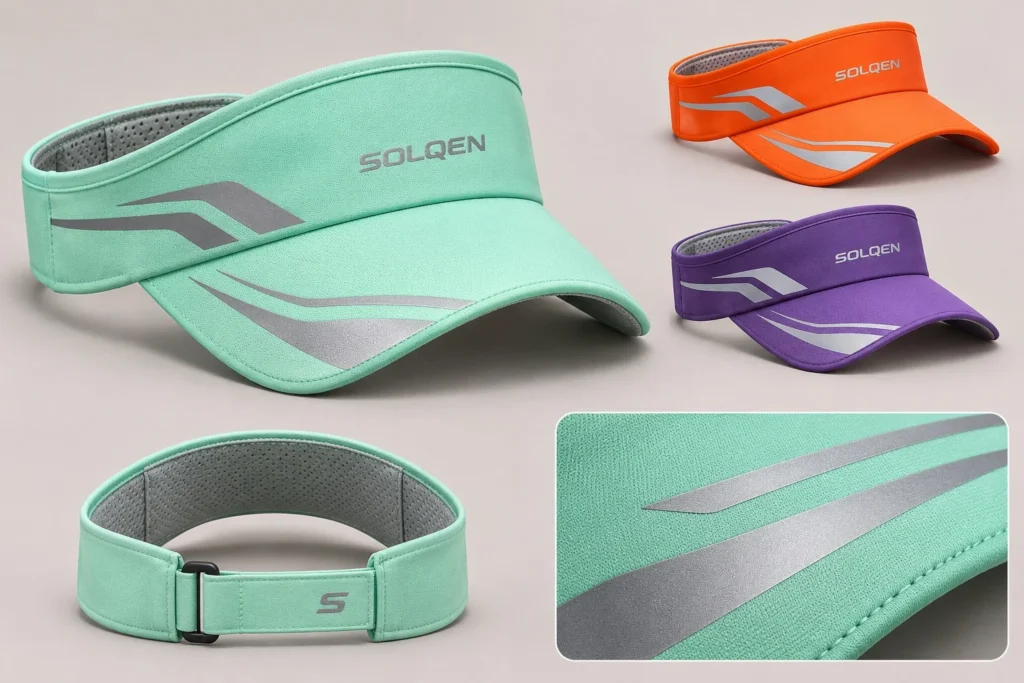
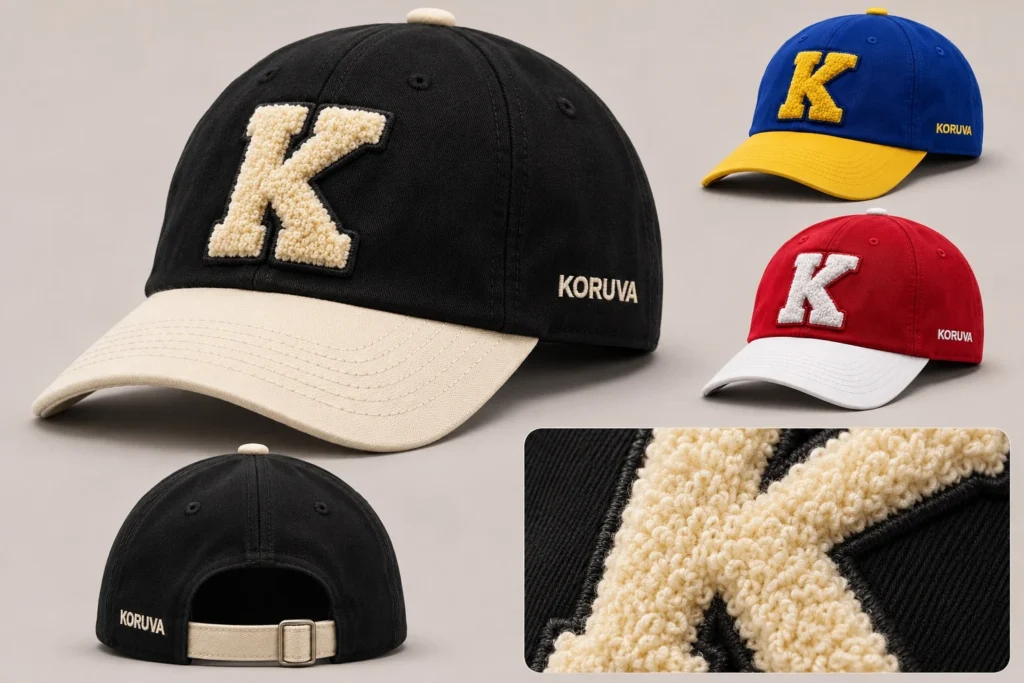
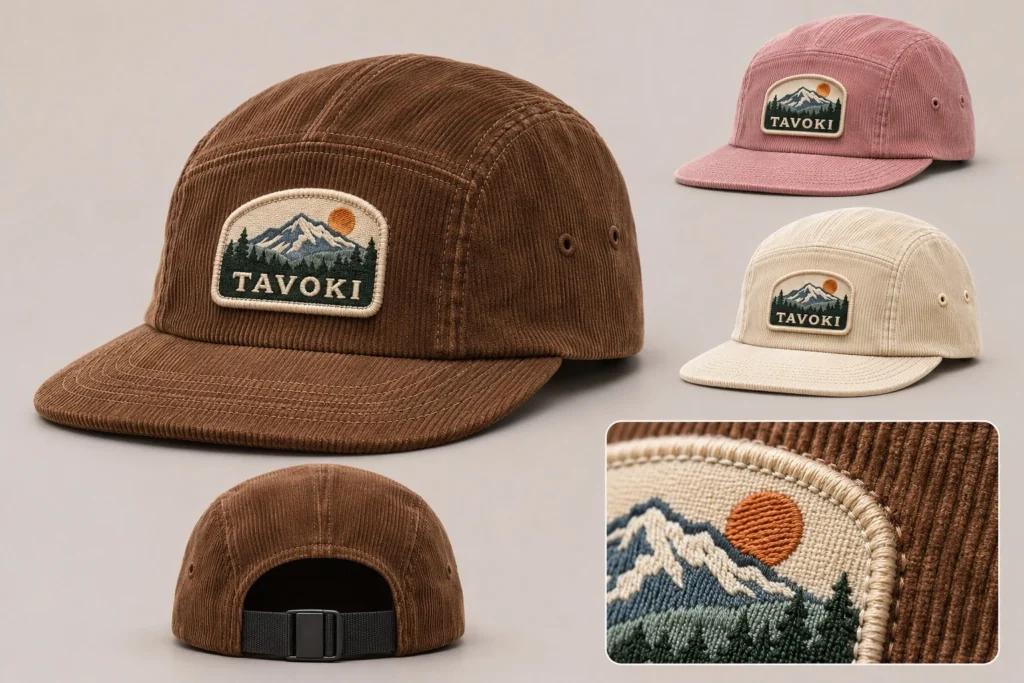
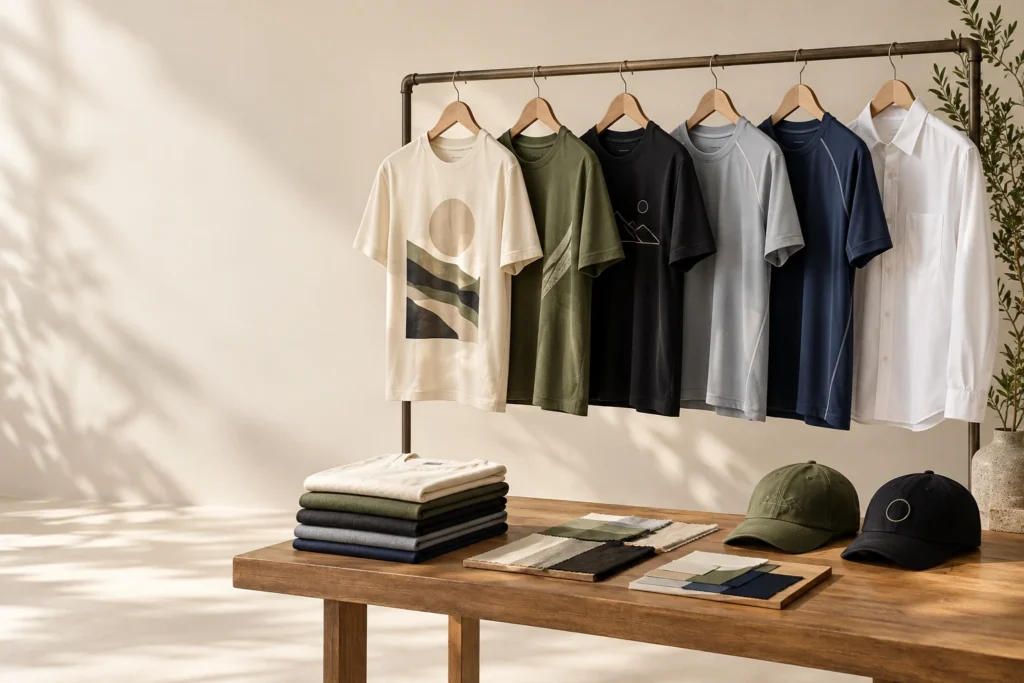
Reference images illustrate design directions and do not identify products manufactured by VIENA or imply a partnership with the pictured brand. GSM figures in this article are development targets; composition, availability and final specifications require project confirmation.