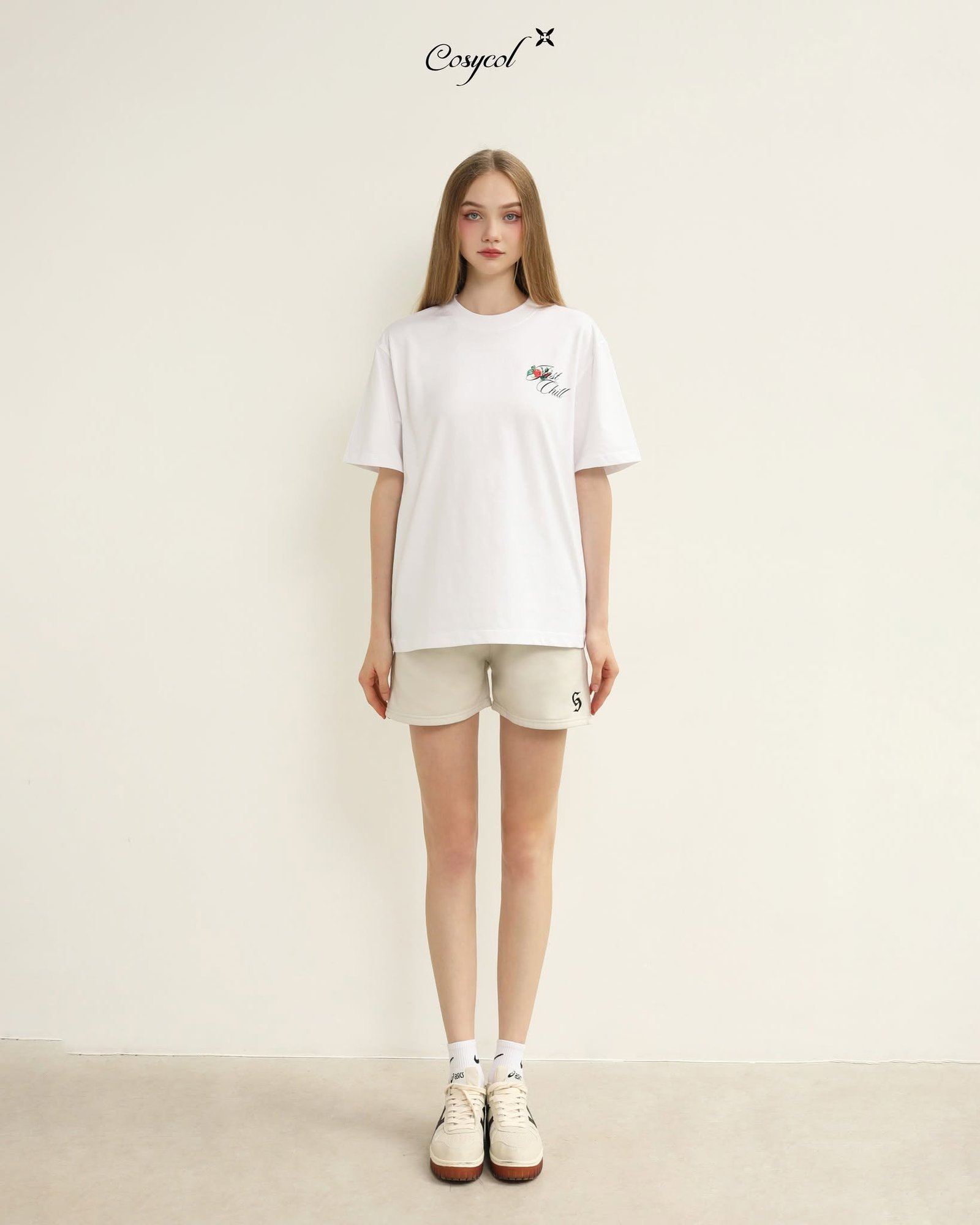
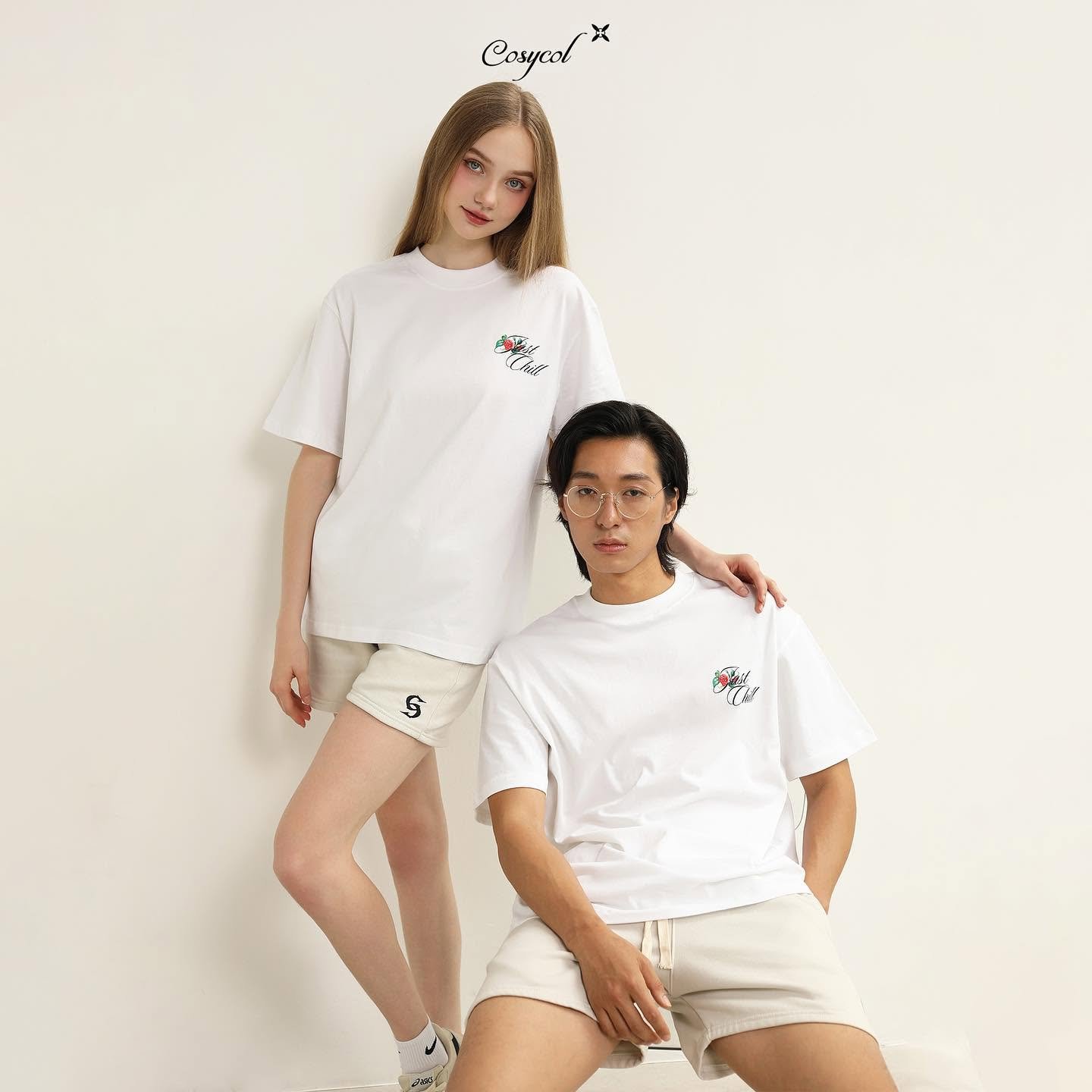
A clean white T-shirt photograph can suggest a product direction without establishing how much coverage the garment provides in everyday conditions. Cosycol’s studio tees are useful visual references. A new cotton-tee brief should make opacity an explicit sample decision alongside fit, shade and feel.
Define the intended coverage
State whether the tee is intended to be worn alone, layered or styled over a particular undergarment. Review a suitable sample under consistent lighting and in ordinary movement. Stretch and fit can affect the visible result, so compare the worn garment as well as a swatch. Keep the assessment respectful and practical, using an agreed fit setup rather than inconsistent campaign images.
Compare complete material candidates
Record composition, construction, finish and measured weight for each proposed fabric. If several properties change, describe the comparison accurately instead of attributing the result to GSM alone. A softer or denser-looking surface may still behave differently when worn. Keep the same pattern and shade direction where practical so the comparison answers the coverage question the brand actually needs to resolve.
Review after care and decoration
Check the finished tee after its agreed wash and drying process. Inspect the area around a chest mark or larger graphic as well as undecorated sections. A print can hide part of the fabric in a photo without improving coverage elsewhere. Approve the body material for its intended use, then approve the decoration as another product feature. Retain the physical garment used for that decision.
A practical development example
A brand might compare two white materials on the same relaxed block. Use the same wearer reference, underlayer and lighting for both. Record coverage, drape and feel separately. If one candidate improves coverage but loses the desired silhouette, request another controlled option rather than selecting from a single good feature.
| Area | Review | Agree |
|---|---|---|
| Use | Name standalone or layering expectations. | Agreed assessment conditions. |
| Materials | Compare labelled candidates on one block. | Composition, construction and finish. |
| Finished tee | Review coverage after care. | Accepted sample and visual reference. |
Does 300 GSM guarantee an opaque white tee?
No universal guarantee follows from that number. Coverage depends on the complete fabric and worn fit. Evaluate the selected material and sample under the intended conditions.
Discuss your T-shirt project with VIENA
Include coverage expectations and the intended fit in the enquiry. VIENA can help compare material directions without treating a studio image as a technical fabric report. Request a project review.