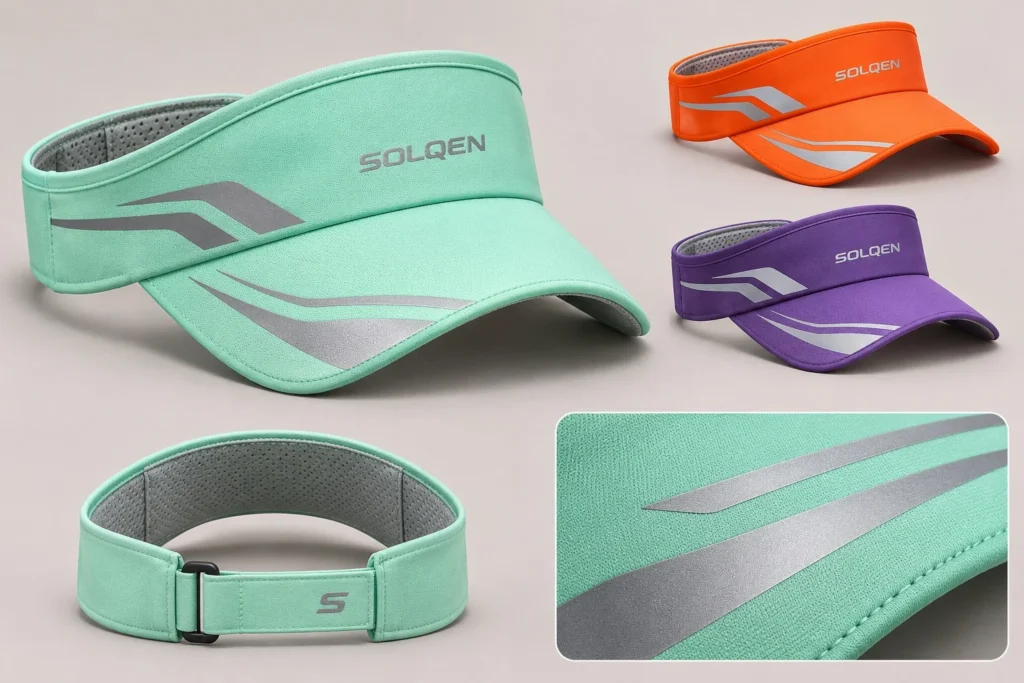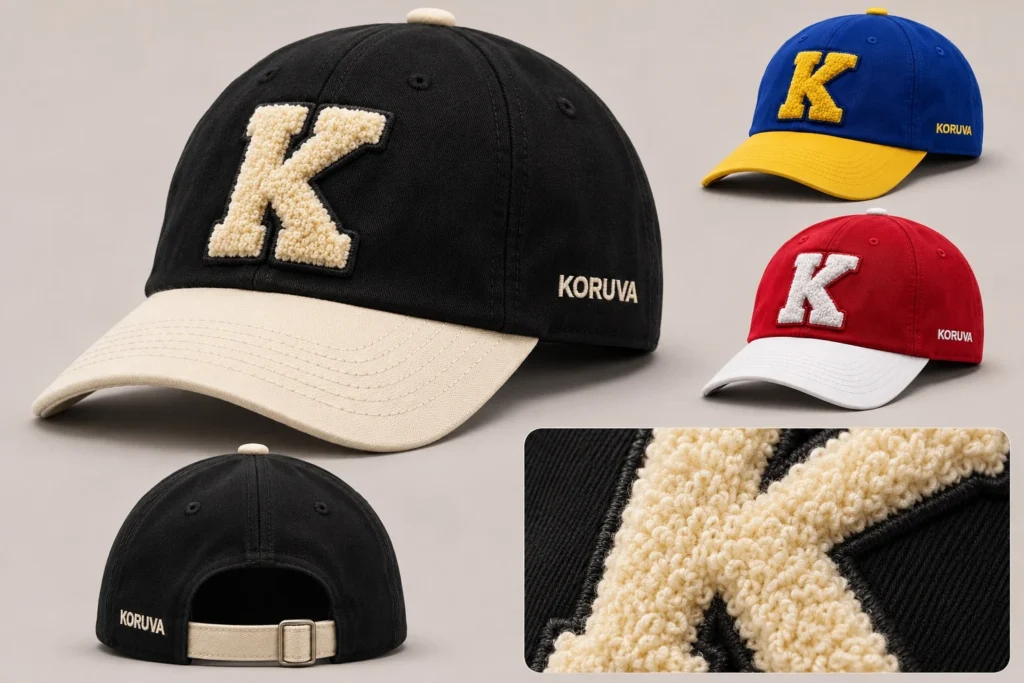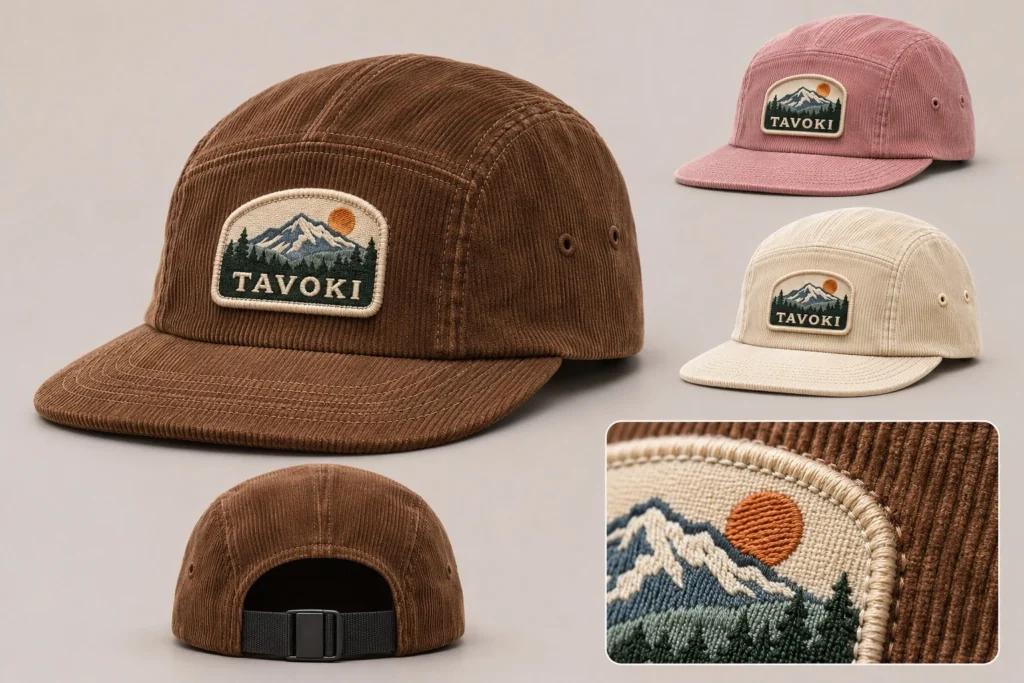
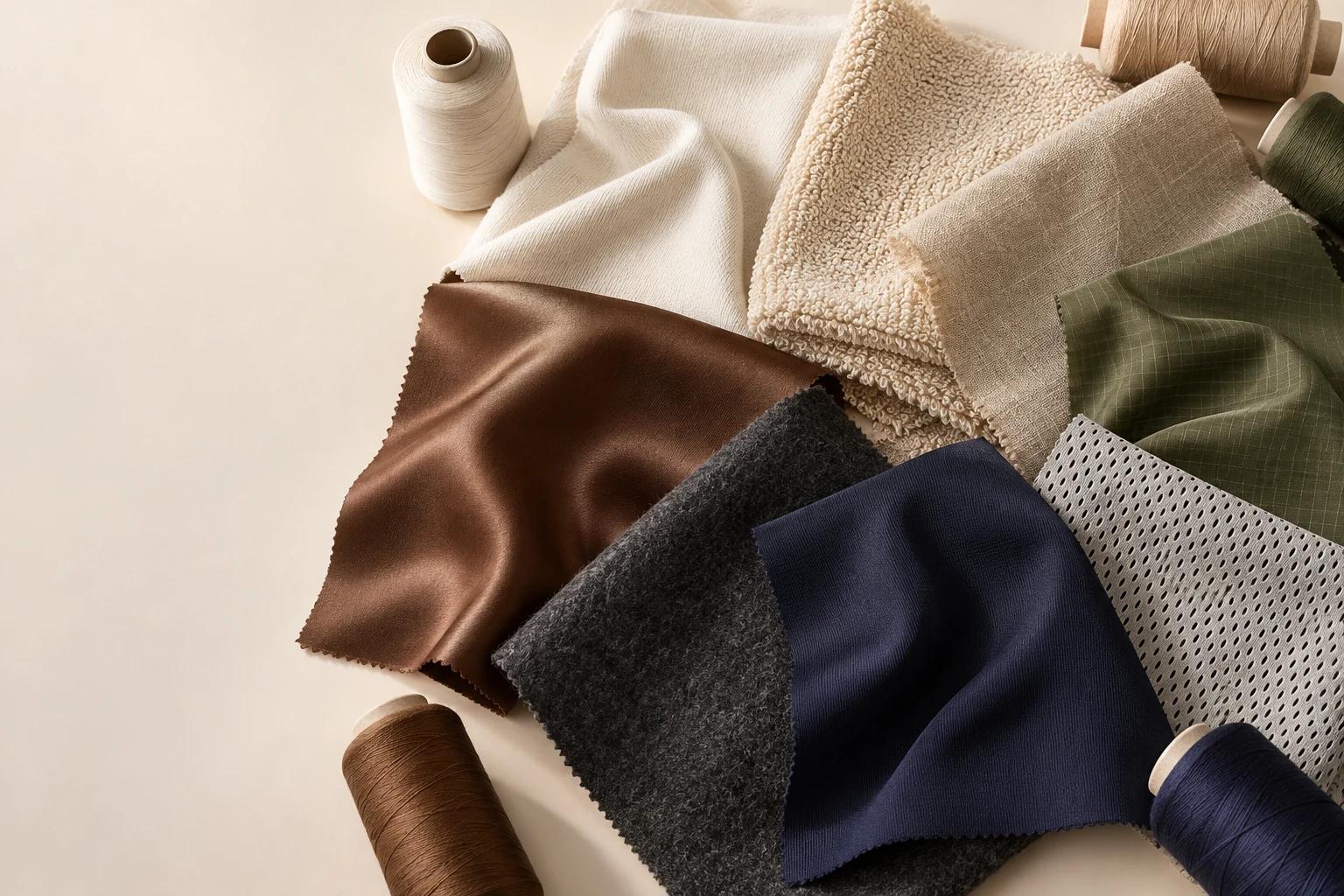
A weight range is useful for exploration, while a production specification needs a clear target and an agreed way to check it. Use 250–300 GSM for cotton tee development and 360–420 GSM for fleece or French terry exploration, then document the selected material.
Move from a range to a reference
If the brief simply says 360–420 GSM, the partner may reasonably propose quite different fabrics. After sampling, identify the chosen target and swatch. Explain whether a different weight requires approval even if it remains inside the original exploration range.

Agree the checking conditions
Discuss how finished fabric weight will be measured, who checks it and how results are recorded. Ask the selected partner to propose a workable tolerance rather than borrowing an unexplained percentage from another project. Make sure the specification refers to the same processing stage as the sample.
Keep weight in context
A material can meet the agreed weight and still differ in colour, composition or hand feel. Include those requirements in the approval. When a result falls outside the agreement, review the actual garment and the proposed remedy rather than treating the number as the only issue.
Your development checklist
- Selected target and physical swatch identified
- Finished or unfinished measurement stage stated
- Method and tolerance agreed with the partner
- Composition, finish and colour controlled separately
Is 360–420 GSM a production tolerance?
It is the requested development range here. Agree the actual production target and acceptable variation for the selected fabric.
Make the GSM tolerance measurable
A target such as 400 GSM needs a measurement basis and an agreed range. State whether the figure describes finished fabric, how the specimen is conditioned and how results from different locations or lots will be reported. An illustrative ±5% range around 400 is 380–420 GSM; this example shows the arithmetic and is not a recommended universal tolerance. A wide range may undermine a tightly specified silhouette, while an unrealistic limit may be difficult to manufacture. Agree the requirement with the mill before booking and keep composition, hand feel and shrinkage as separate checks.
| Decision | What to review | What to agree |
|---|---|---|
| Sampling basis | Identify finished state, specimen selection and conditioning. | Use the same basis for approvals and later comparisons. |
| Tolerance | Write the allowed range and how outliers are handled. | Do not assume a supplier’s standard range matches your requirement. |
| Other properties | Retain construction, width, finish and care requirements. | Equal mass per area does not establish identical performance. |
Does a GSM result prove the garment is durable?
No. Fabric mass, pilling, abrasion, seam performance and dimensional stability are different properties. Select the tests that answer the intended product claims.
Continue your product development
For the next decision, read 250 vs 270 vs 300 GSM Cotton Tees: How to Choose, compare 420 GSM Fleece: Planning a Substantial Hoodie, and use Cotton Tee Shrinkage: How to Review a Wash Sample to complete the brief.
Discuss the next sample with VIENA FACTORY
Share your product references, target measurements, material preferences and quantity breakdown. VIENA FACTORY develops samples and manufactures clothing in Vietnam through specialised production units, with our team managing the agreed production stages. Send your project brief, or explore our streetwear references and collection development guide.
Reference images illustrate design directions and do not identify products manufactured by VIENA or imply a partnership with the pictured brand. GSM figures in this article are development targets; composition, availability and final specifications require project confirmation.