Private label cotton tees involve more than replacing a neck label. For a 250–300 GSM streetwear programme, decide which product features are fixed and which are being developed for your brand before requesting quotations from Vietnam suppliers.
Distinguish an existing blank from custom development
An available blank may offer a fixed fit and fabric, while a custom style can require pattern and material development. Ask which route is being quoted. Record limitations on colour, sizing, labels and decoration, and approve the actual garment rather than assuming it matches your reference.
Build a consistent trim package
Plan the brand label, size identifier, care information and packaging together. Check placement, comfort and legibility on the sample. Confirm what information must be supplied for the intended sales market with an appropriate adviser; do not assume a supplier’s standard label covers every destination.
Keep ownership and files organised
Maintain your artwork versions, approved measurements and trim specifications. Clarify which development files or patterns are included in the arrangement. A complete approval folder makes later orders easier to discuss, especially when a label or packaging detail changes.
Your development checklist
- Blank or custom development route identified
- Brand, size and care details reviewed
- Packing requirements included in the quote
- Approved files stored with a dated sample record
Can I order private label tees without a new pattern?
Possibly, if an existing block suits your brief. Confirm fit, fabric, permitted changes and commercial terms for that specific option.
Separate a stocked blank from a custom private-label tee
Private label can describe relabelling a ready blank or developing an original cut-and-sew style. The distinction affects what can be changed, the material commitment and how the first sample is made. A stock blank may simplify launch planning if its fit already suits your customer. A custom block allows more control, but the pattern, fabric availability, label construction and approval steps must be priced. Agree who holds the approved pattern and artwork files and how a repeat order will identify the same version. Do not assume a supplier’s catalogue style is exclusive to your brand.
| Decision | What to review | What to agree |
|---|---|---|
| Ready blank | Check stock size range, shade continuity and permitted relabelling. | Request the actual blank rather than a similar catalogue photo. |
| Custom cut-and-sew | Record the block, fabric and trim specifications. | Price development separately from the first bulk run. |
| Brand identity | Specify neck label, care information, hangtag and packaging files. | Confirm the required market information before label production. |
Can a new brand start with 100 pieces?
VIENA accepts enquiries starting from 100 pcs. Whether the style, colour split and custom materials fit that quantity requires project review; it is not a universal mill minimum.
Continue your product development
For the next decision, read Choosing a Vietnam Supplier for Cotton and Fleece Streetwear, compare Quoting a Streetwear Drop: Tees, Hoodies and Fleece Sets, and use Cotton T-Shirt Manufacturing in Vietnam: A Buyer’s Brief to complete the brief.
Discuss the next sample with VIENA FACTORY
Share your product references, target measurements, material preferences and quantity breakdown. VIENA FACTORY develops samples and manufactures clothing in Vietnam through specialised production units, with our team managing the agreed production stages. Send your project brief, or explore our streetwear references and collection development guide.
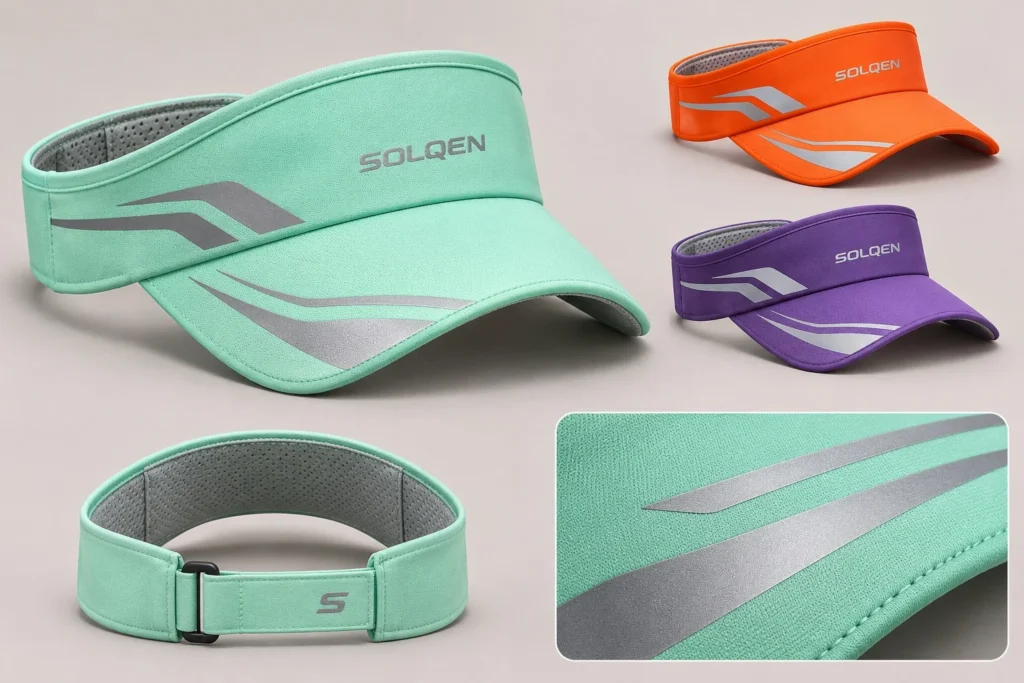
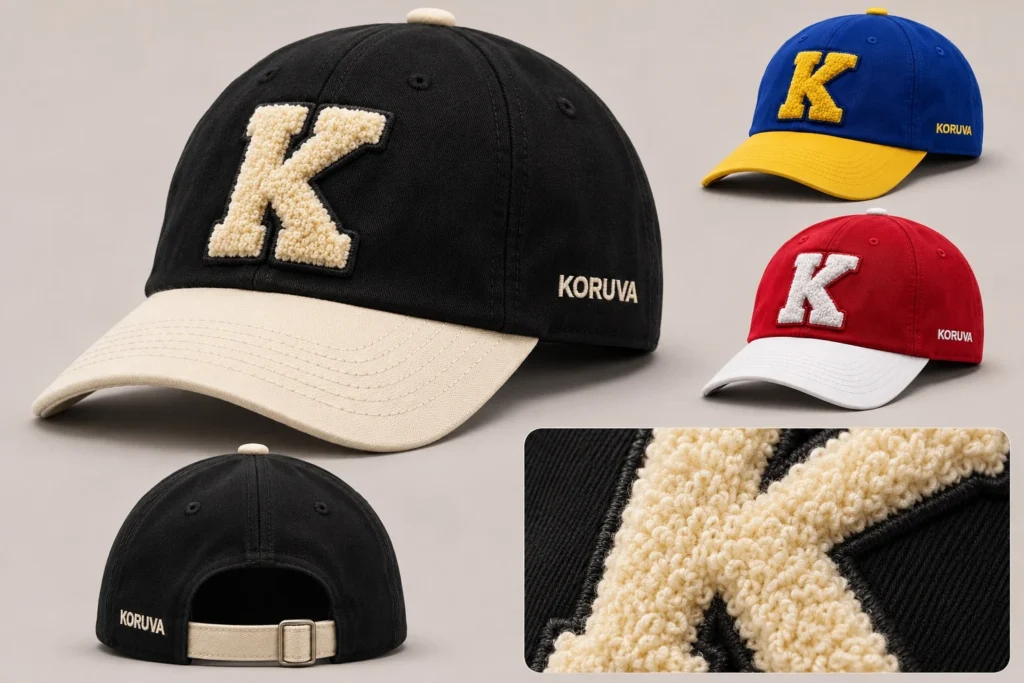
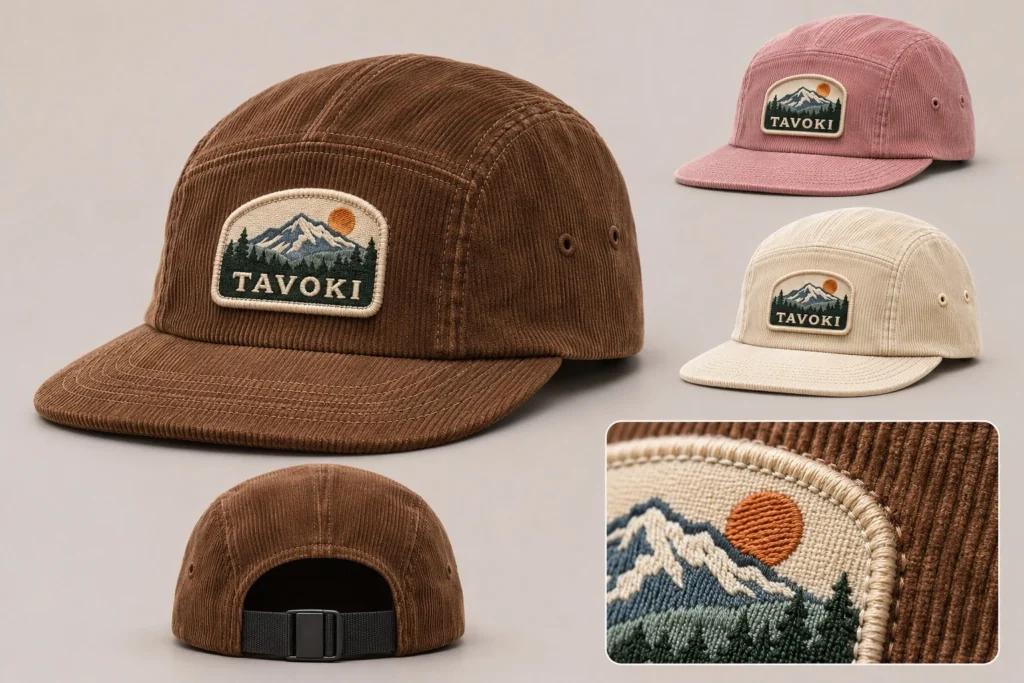
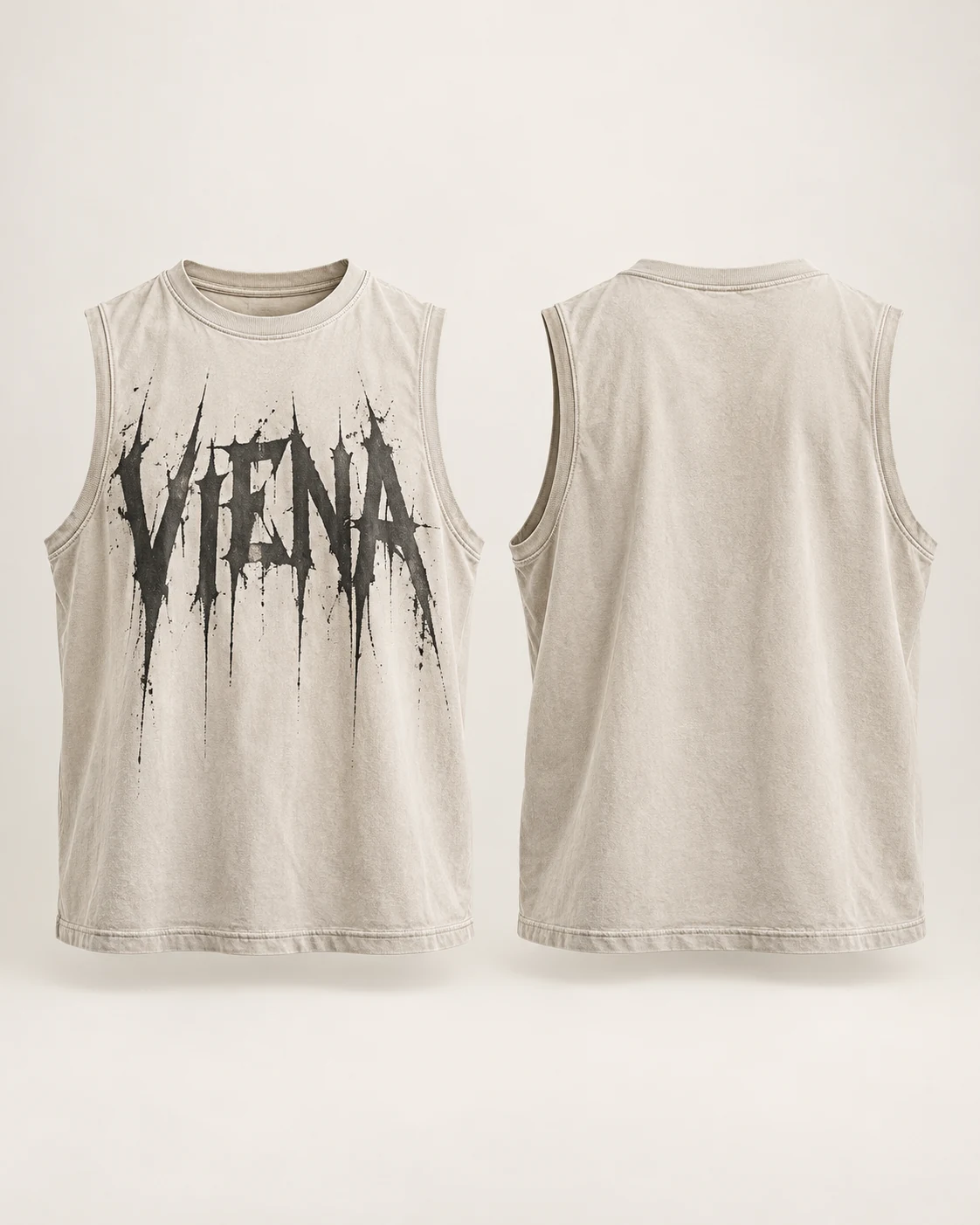
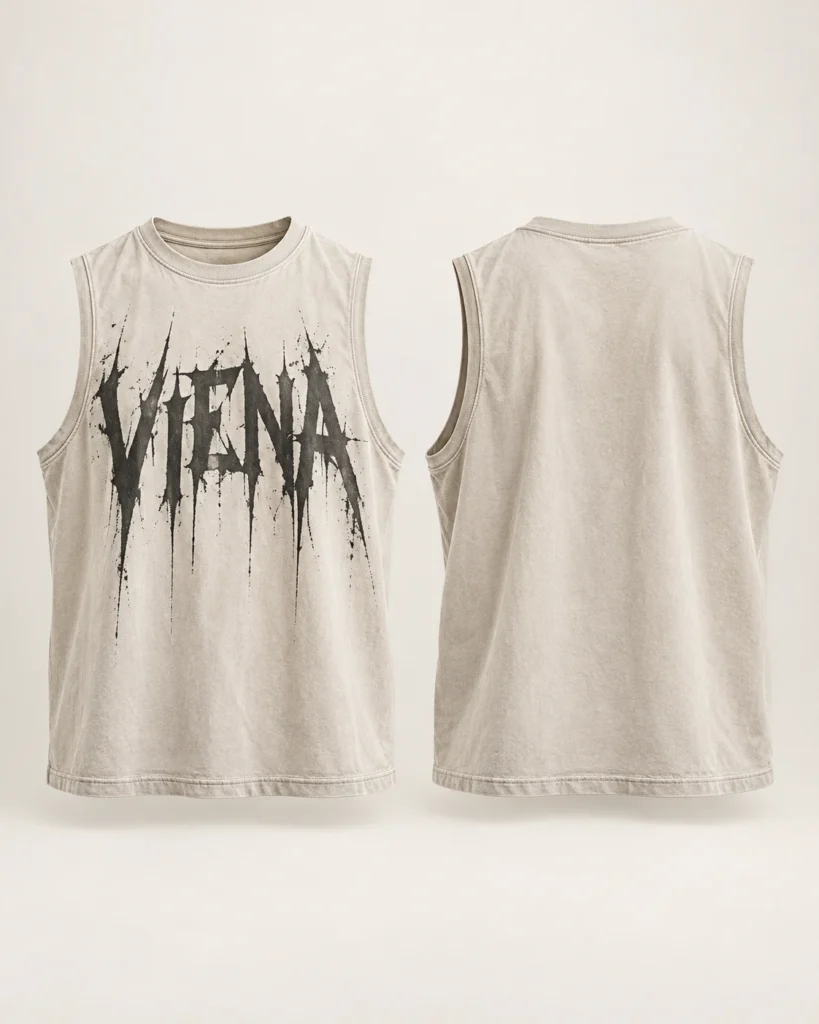
Reference images illustrate design directions and do not identify products manufactured by VIENA or imply a partnership with the pictured brand. GSM figures in this article are development targets; composition, availability and final specifications require project confirmation.