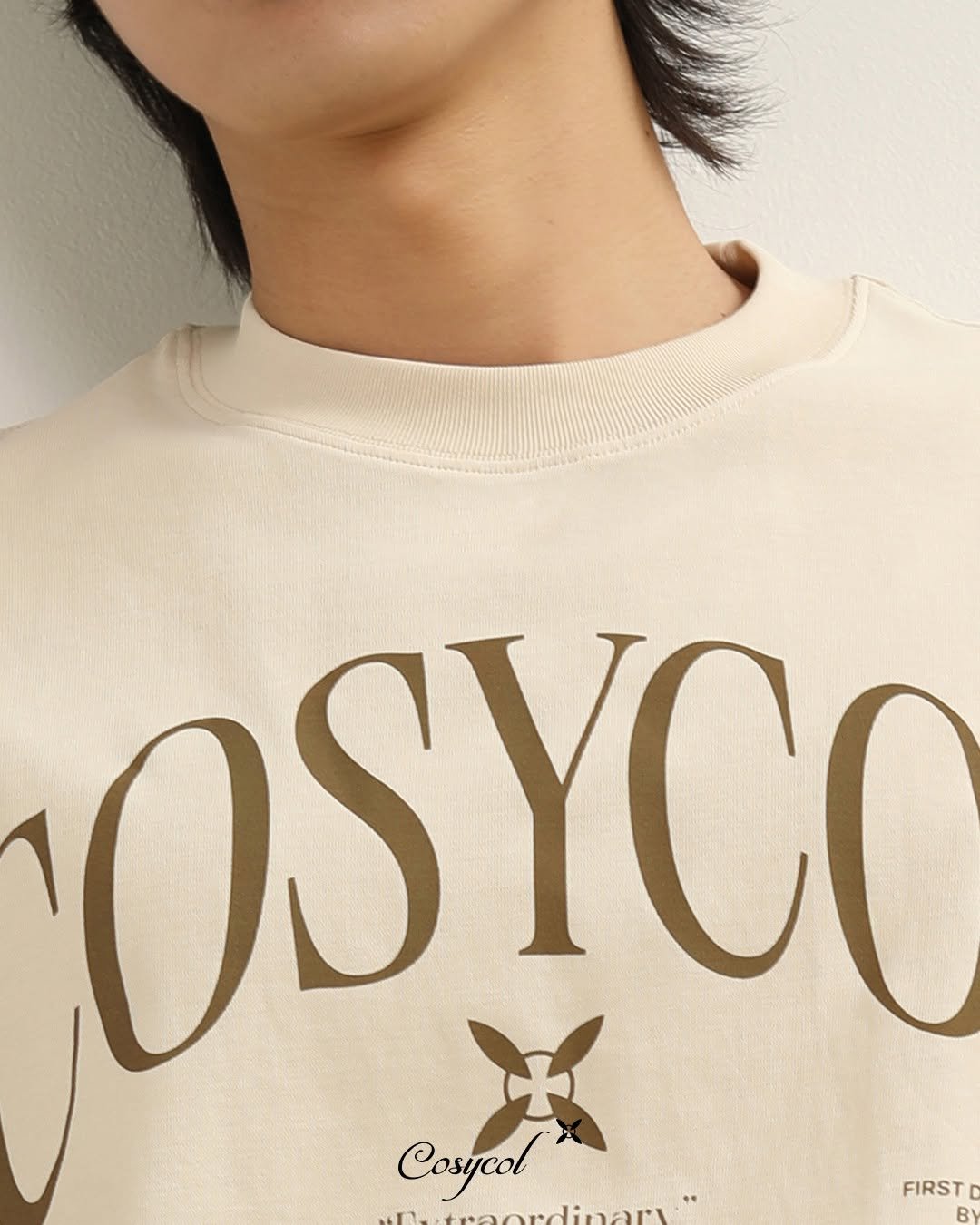
A tee’s body length, neckline and graphic position should still work together after the intended care. Cosycol’s fitted and relaxed product views offer useful visual references for proportion. A new project needs its own before-and-after record to understand how the actual material and decoration behave.

Measure named points consistently
Record the sample identity, size, material and document revision before care. Use the same start and end points for length and width measurements and state the garment condition. Keep photographs of the graphic and important seams. A broad note saying the tee shrank does not explain which region changed or whether the visual relationship the brand wanted was affected.
Record conditions and observations
Agree the wash and drying procedure used for the development check and record cycle count. Compare dimensions separately from appearance. Inspect neck shape, side-seam position, graphic edges and hand feel. AATCC TM150’s public scope concerns garment dimensional change under laundering procedures. It is a reference for discussing a formal assessment, not proof that the photographed garment or a VIENA sample has passed a test.
Resolve the cause before approving
If the sample changes undesirably, review material, pattern, sewing and decoration decisions with the partner. Avoid applying one blanket length allowance without understanding the result. Confirm the revised sample against the intended care and acceptance criteria. Keep both observations and the resulting specification so a reorder is checked against the accepted product, not an earlier fresh sample.
A practical development example
For an illustrative calculation, a 60 cm dimension becoming 58.8 cm changes by −2% using (after − before) ÷ before × 100. That example is not a recommended tolerance or a test result. The brand and partner must agree what change is acceptable for the actual tee and use case.
| Area | Review | Agree |
|---|---|---|
| Identity | Record sample, size, fabric and revision. | A traceable starting piece. |
| Procedure | State care and measuring conditions. | Comparable before/after observations. |
| Decision | Review dimensions and appearance separately. | Agreed acceptance and next correction. |
Is a casual home wash the same as a laboratory report?
No. A development observation can help make a sample decision, while a formal claim requires the selected method, conditions and report. Label the evidence accurately.
Discuss your T-shirt project with VIENA
Include your intended customer care and the fit points that matter most. Ask VIENA to review the decorated garment after care before the production reference is signed off. Request a project review.
Related manufacturing guides
- Cotton Tee Shrinkage: How to Review a Wash Sample
- French Terry Wash Samples: What to Record
- GSM Tolerances: Agreeing a Fabric Weight Specification
Technical reference
AATCC TM150: garment dimensional change. Public guidance supports the discussion; no test result or production specification is inferred for the photographed Cosycol products.