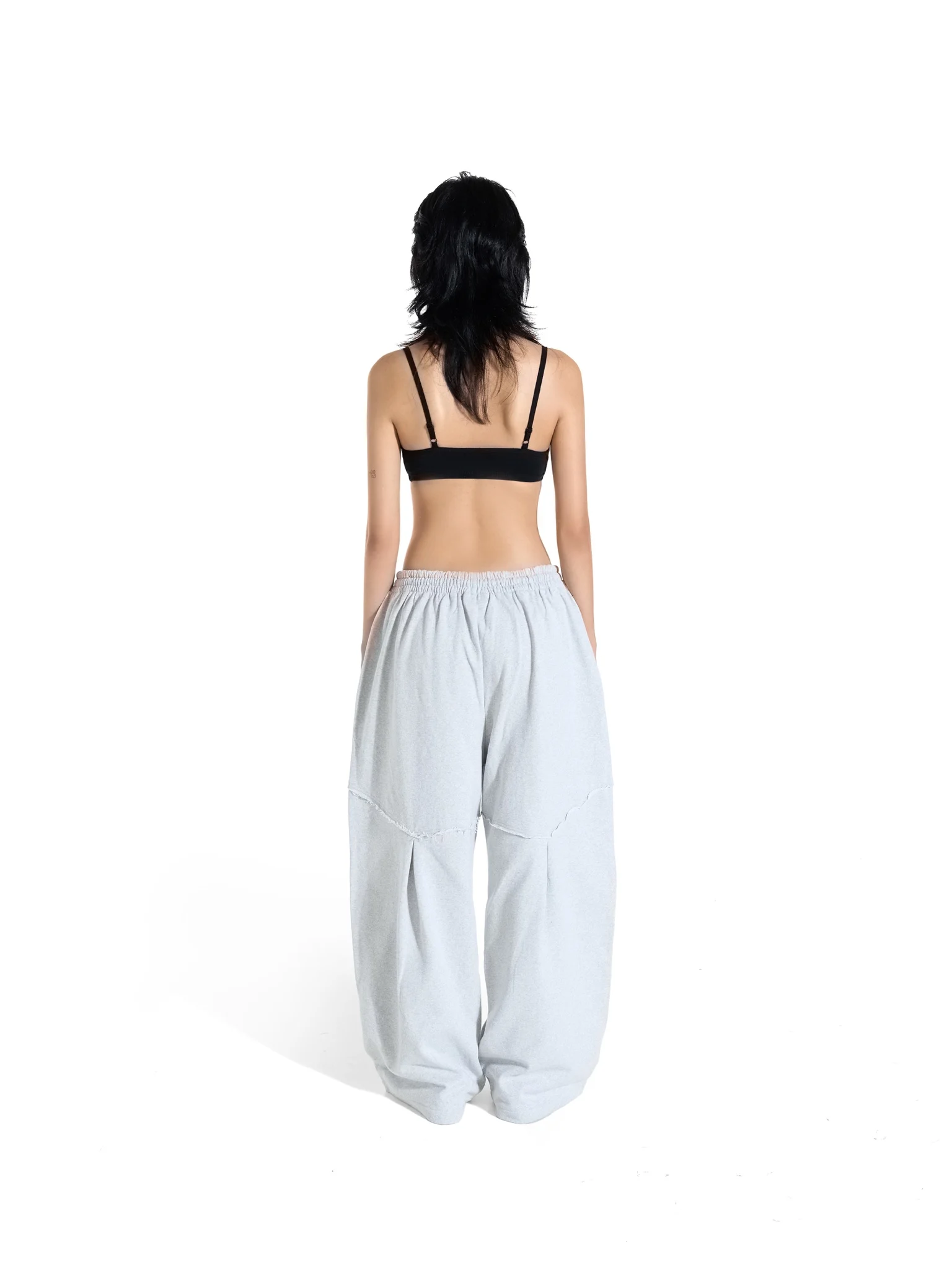
Before approving a 360–420 GSM French terry garment, review a wash sample that can be traced to the actual material. A useful record combines measurements, photographs and the care procedure used, so the result can guide production decisions.
Identify the starting sample
Label the garment, fabric reference and sample stage. Record whether decoration and finishing are complete. If the sample is made in a substitute colour or material, state that limitation clearly; it should not become proof of performance for an untested final version.
Measure what affects the fit
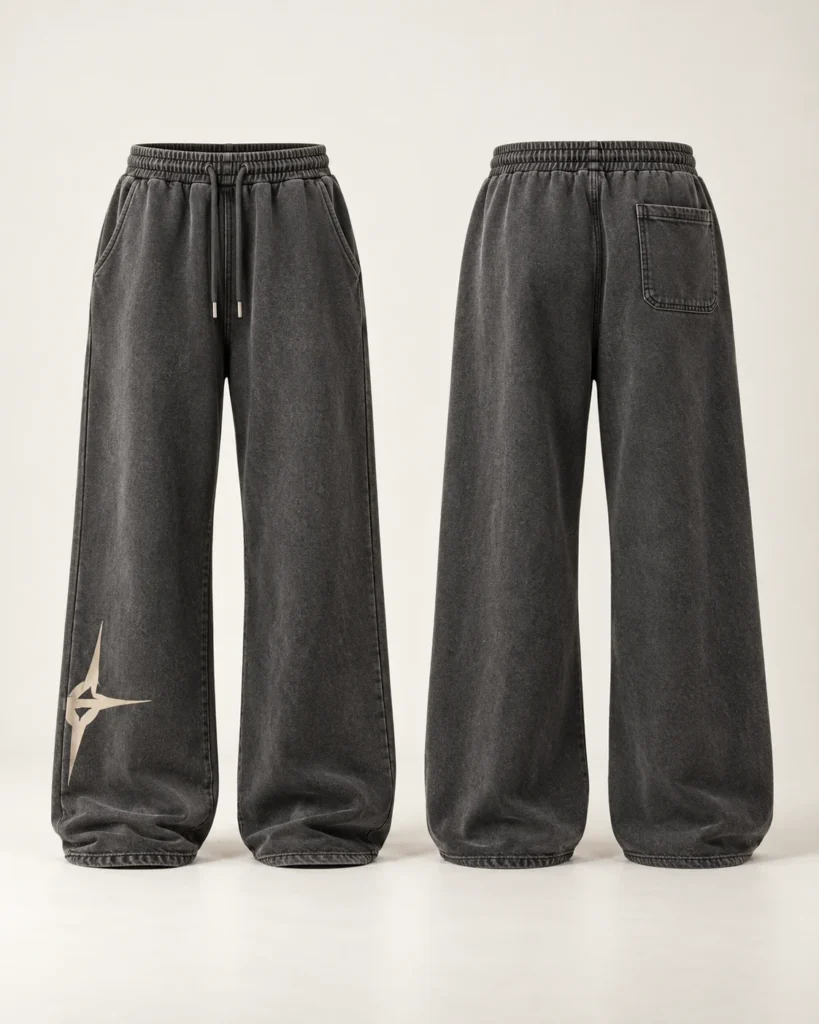
For pants, include waist, rise, inseam and leg opening. For a hoodie, include body, sleeve and key opening measurements. Use agreed measurement points and preparation conditions. Photograph seam alignment, the loopback surface and trims so changes are visible as well as numerical.
Turn findings into a decision
Compare results with the project requirements agreed with the partner. If a correction is proposed, state whether it concerns finishing, pattern or construction. Review the revised sample and close the issue with a dated approval rather than leaving feedback scattered across messages.
Your development checklist
- Sample and material IDs on the report
- Recorded care and drying procedure
- Product-specific measurements before and after
- A dated decision on any correction
Is one attractive after-wash photo enough?
No. Pair photographs with a repeatable procedure and measurements that relate to your approved specification.
Create a repeatable French terry wash record
A useful wash record links observations to a specific sample, not just to a style name. Record fabric lot or swatch code, garment size, pattern revision, care conditions and who measured it. Photograph the front, back, seams and loop surface before and after. When a trouser leg twists, measure the change and inspect the grain and seams rather than simply adding length. For a set, test the components together. Keep an unwashed comparison where practical, so a softened hand feel is not confused with a change in thickness or size.
| Decision | What to review | What to agree |
|---|---|---|
| Measurements | Repeat named length and width points in the same condition. | Calculate each percentage change separately. |
| Appearance | Record loop damage, seam twist and trim distortion. | Use consistent lighting and close-up views. |
| Next action | Identify whether the issue points to fabric, pattern, sewing or care. | Make one traceable revision before the next approval sample. |
Should a fabric test replace the finished-garment wash review?
No. Fabric testing helps assess the material; a garment review includes seams, rib, pocketing and hardware. Choose the formal method appropriate to the object being tested.
Continue your product development
For the next decision, read Cotton Tee Shrinkage: How to Review a Wash Sample, compare Fleece Colour Matching for Hoodie and Pants Sets, and use Hoodie Sample Revisions: Giving a Vietnam Partner Clear Feedback to complete the brief.
Discuss the next sample with VIENA FACTORY
Share your product references, target measurements, material preferences and quantity breakdown. VIENA FACTORY develops samples and manufactures clothing in Vietnam through specialised production units, with our team managing the agreed production stages. Send your project brief, or explore our streetwear references and collection development guide.
Reference images illustrate design directions and do not identify products manufactured by VIENA or imply a partnership with the pictured brand. GSM figures in this article are development targets; composition, availability and final specifications require project confirmation.