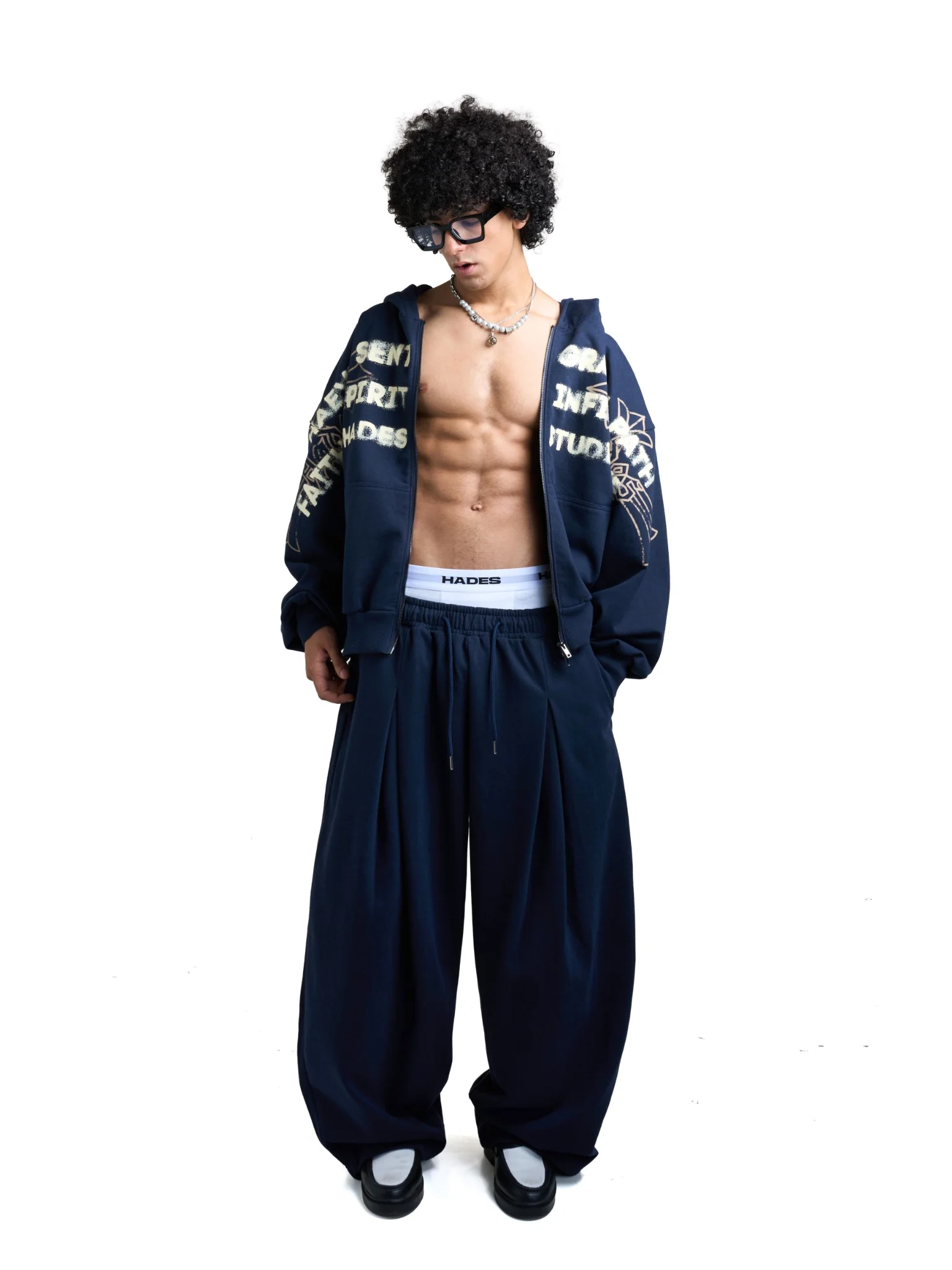
A coordinated set depends on more than ordering a hoodie and pants in the same colour name. For 360–420 GSM fleece or French terry development in Vietnam, make colour approval part of the sample and material workflow.
Use a physical colour reference
Provide an identified standard or an approved sample and agree how colour will be reviewed. Screen images can help a conversation, but they should not be the only approval reference. Ask the partner to show shell fabric, rib, drawcord and visible zip tape together.
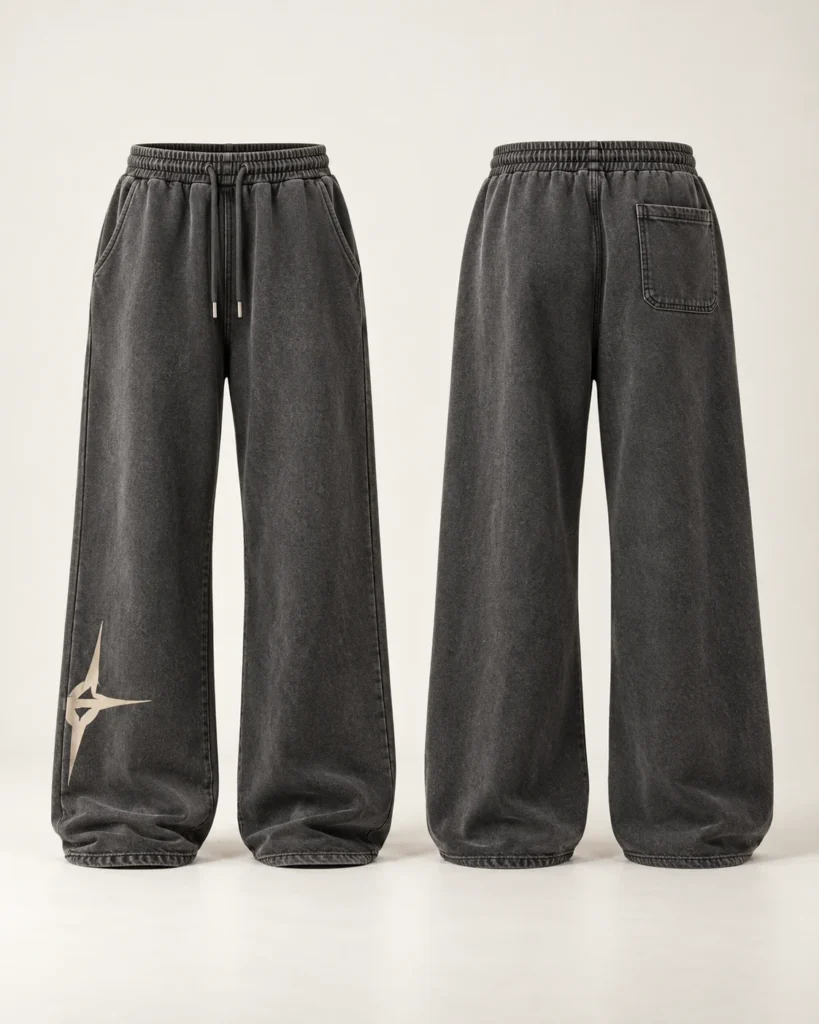
Look at the set as a shopper would
Place the top and bottom next to each other and wear them together. View both in consistent lighting and photograph them for the record. Check the difference between large shell panels and small trims; a mismatch can be noticeable even when each component looks acceptable alone.
Control changes between orders
Record the approved material and colour references for both pieces. Ask how later lots or reorders will be compared with the reference and what variation needs approval. Keep the conversation specific instead of expecting a colour name to preserve the same appearance indefinitely.
Your development checklist
- Named colour standard or approved cutting
- Shell and visible trims reviewed together
- Top and bottom compared in the same light
- A colour approval rule for reorders
Can I approve colour from a phone photo?
Use photos for communication, but agree a more reliable approval method with the partner for the actual production colour.
Control shade across a hoodie-and-pants set
Matching a set is a material and process decision. Ask for body fabric, rib, drawcord and sewing thread to be reviewed together under consistent lighting. Keep a physical approved reference rather than relying on a phone display. The top and bottom may be cut from different parts of a booking, so ask how shade grouping will be managed. Review the garment after washing because trims and body may respond differently. If the design intentionally uses tonal contrast, define that contrast instead of leaving the workshop to guess whether a mismatch is acceptable.
| Decision | What to review | What to agree |
|---|---|---|
| Reference | Label the accepted body and trim swatches. | Identify which component is the master shade. |
| Cutting allocation | Ask how visibly different shade groups are kept apart. | Review a complete paired set, not isolated garments. |
| After-care shade | Compare colour change and staining on the washed set. | Agree any required test and pass criteria before production. |
Can a colour code alone approve the finished set?
It is a communication starting point. The actual substrate and finish affect appearance, so retain approved physical swatches and a complete set reference.
Continue your product development
For the next decision, read 360 GSM French Terry: Developing a Relaxed Set, compare French Terry Wash Samples: What to Record, and use Rib Trims for 360–420 GSM Sweatshirt Fabrics to complete the brief.
Discuss the next sample with VIENA FACTORY
Share your product references, target measurements, material preferences and quantity breakdown. VIENA FACTORY develops samples and manufactures clothing in Vietnam through specialised production units, with our team managing the agreed production stages. Send your project brief, or explore our streetwear references and collection development guide.
Reference images illustrate design directions and do not identify products manufactured by VIENA or imply a partnership with the pictured brand. GSM figures in this article are development targets; composition, availability and final specifications require project confirmation.