In decal can cover different garment transfer materials. For 250–300 GSM cotton tees or 360–420 GSM sweatshirts, identify the proposed decal system before comparing cost, artwork limits and the finished feel.
Clarify cut or printed artwork
Ask whether the design will be cut from a heat-transfer material, printed onto a transfer material, or produced through another route. Explain fine lettering, multiple colours and any special finish. Confirm the artwork format and whether adjustments are needed for the chosen process.
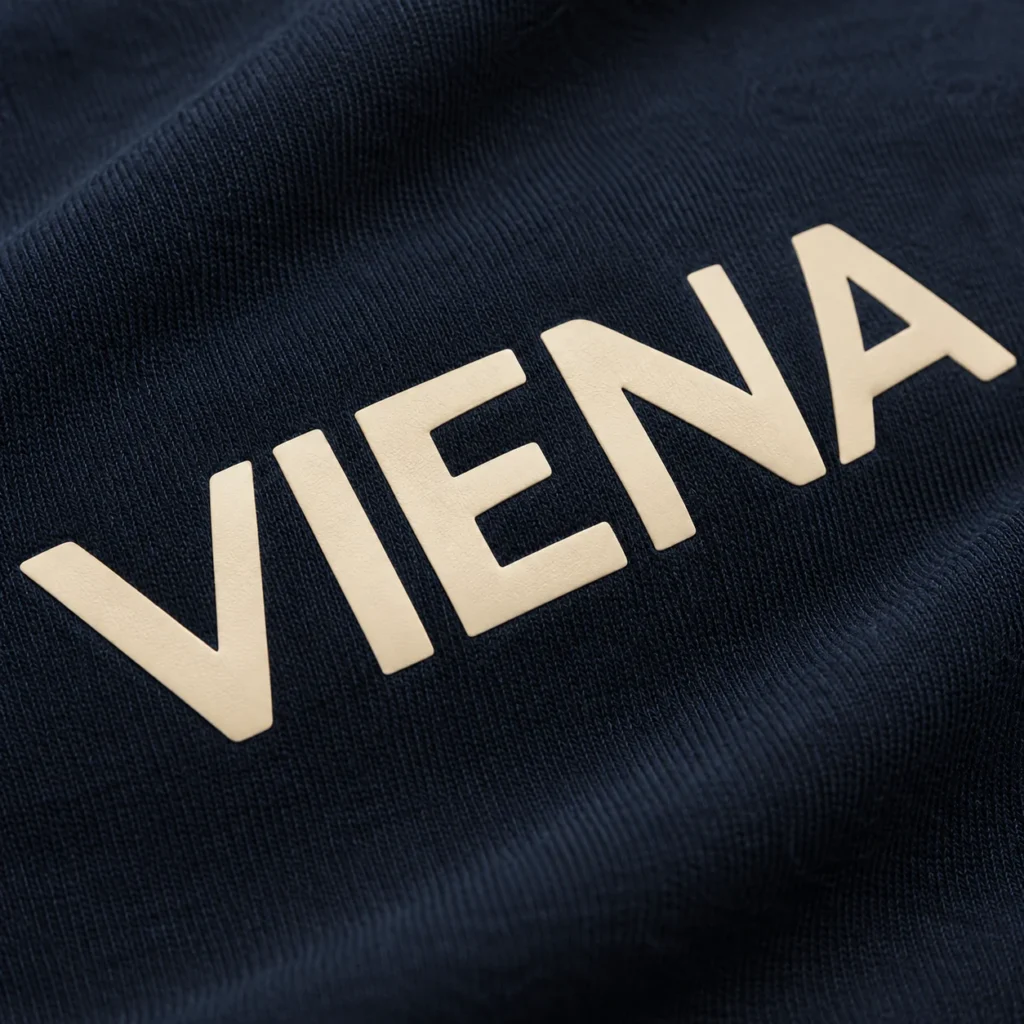
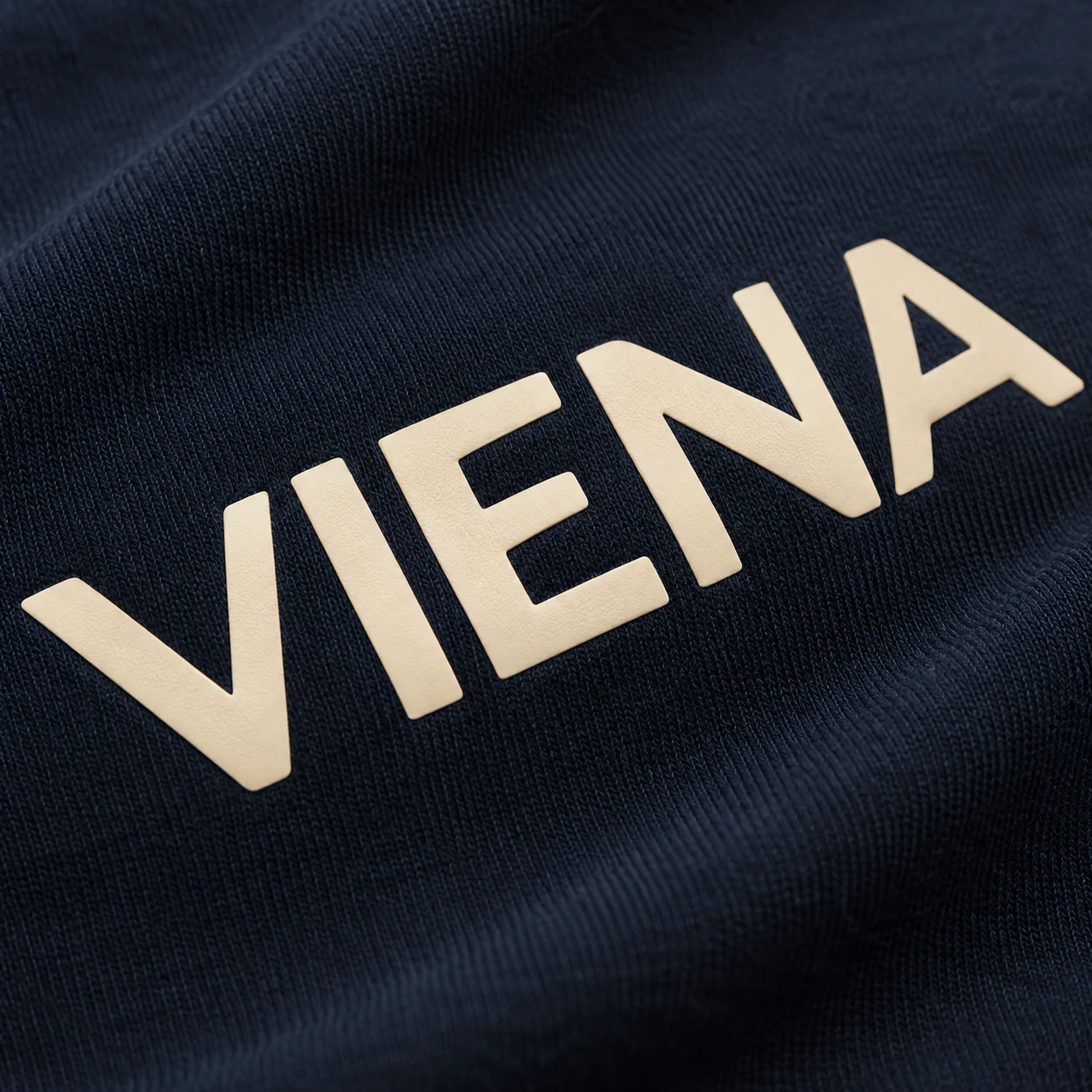
Review edges and surface feel
Inspect small details and the boundary of the design on the actual garment. Try the sample on and check how the printed area moves with the fabric. If several layers are proposed, review the combined result rather than approving individual colours separately.
Follow product-specific application guidance
The selected transfer material has its own requirements. Ask the partner to confirm the process and care instructions, then approve a sample after the agreed review. Do not borrow temperature, pressure or timing settings from another material simply because both are called decal.
Your development checklist
- Specific transfer material identified
- Artwork adjusted only with approval
- Small details and edges inspected
- Application and care matched to that material
Are decal and DTF always the same thing?
No. Names are used loosely in conversation, so ask the supplier to describe the exact material and process being quoted.
Select a decal system before choosing press settings
“In decal” can refer to several heat-transfer materials, so identify whether the design is cut vinyl, printable transfer or another system. Cut HTV involves cutting and removing unwanted material; fine lettering or layered colours can change preparation time. A large solid panel may feel different from a small mark even with the same material. Review the garment’s seams and thickness so the graphic can receive the intended pressure. Follow the chosen manufacturer’s instructions and check the finished piece after care.
| Decision | What to review | What to agree |
|---|---|---|
| Material type | Request the product identity and intended fabric compatibility. | Do not use “decal” as the only production instruction. |
| Artwork detail | Review fine strokes, gaps and layered colours at final size. | Ask for a cut/application trial if detail is critical. |
| Press access | Keep seams, zips and raised details out of the pressure zone where possible. | Approve the full garment if placement is close to an obstruction. |
Can one temperature be listed for all heat transfers?
No. The transfer product, substrate and finish determine the application requirements. Use the exact product instructions and a verified trial.
Continue your product development
For the next decision, read PET and DTF Transfers for Streetwear Graphics, compare Screen Print or DTF? Comparing a Streetwear Graphic, and use Half-Zip Sample Approval: Hardware, Seams and Care to complete the brief.
Discuss the next sample with VIENA FACTORY
Share your product references, target measurements, material preferences and quantity breakdown. VIENA FACTORY develops samples and manufactures clothing in Vietnam through specialised production units, with our team managing the agreed production stages. Send your project brief, or explore our streetwear references and collection development guide.
Reference images illustrate design directions and do not identify products manufactured by VIENA or imply a partnership with the pictured brand. GSM figures in this article are development targets; composition, availability and final specifications require project confirmation.
Technical background: STAHLS: heat-transfer vinyl reference. Process settings and project approvals should be agreed with the selected specialist.