
In PET commonly refers to a film-transfer route in garment conversations, but ask the supplier to identify the exact process. For a DTF proposal, review the transfer on the cotton tee or fleece garment you intend to sell, not only on a loose film sheet.
Confirm the proposed system
Ask whether the quotation is for direct-to-film printing and what transfer materials are being used. Supply artwork dimensions, garment colour and composition. The development partner should confirm application requirements for the selected system rather than using generic heat and time settings.
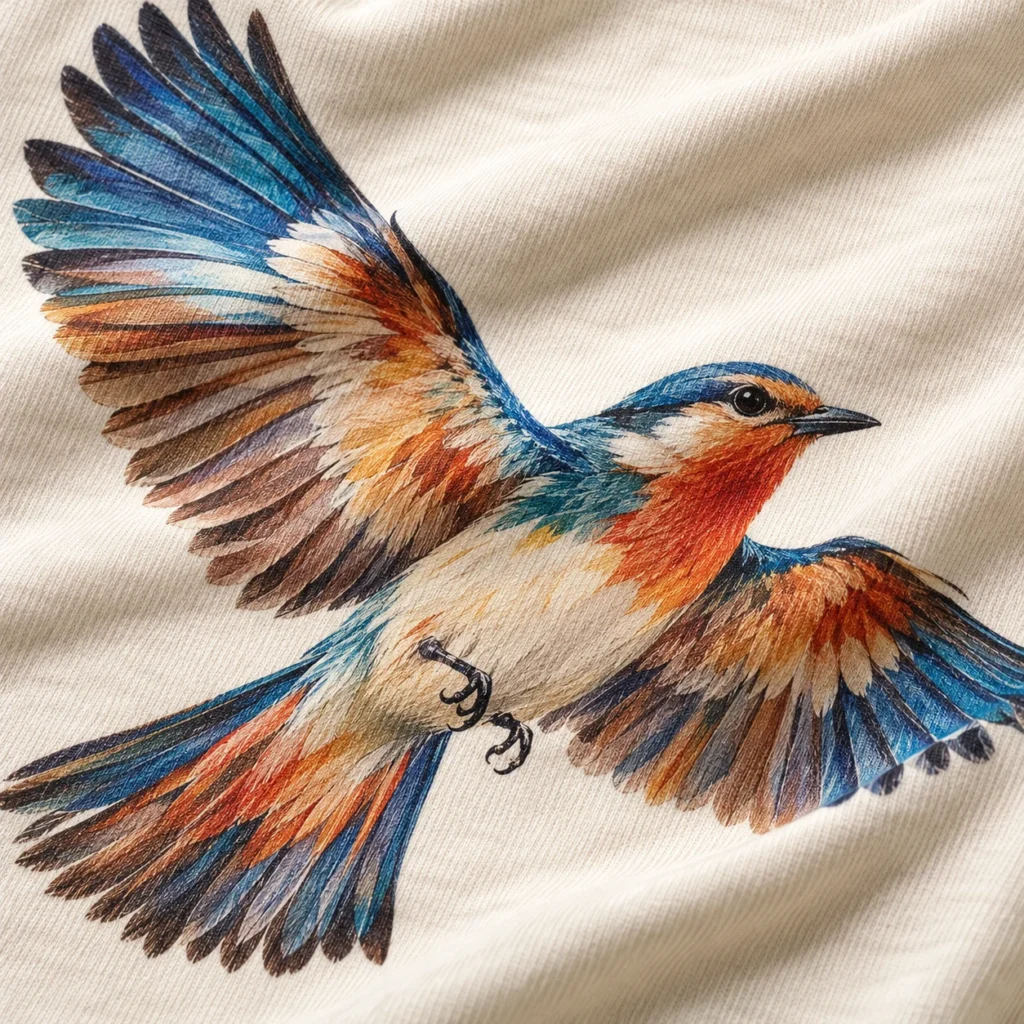
Approve the graphic on the garment
Inspect fine details, edges, colour and the feel of the printed area. For large designs, wear the sample and assess comfort and drape. A photograph can show colour placement but cannot demonstrate how a large transfer feels across the front of a tee or hoodie.
Review care and repeat orders
Agree a care test and inspect the resulting print. Keep a dated sample and artwork version for later orders. If the material or transfer system changes, ask whether a new sample is needed instead of assuming that all products described as PET are interchangeable.
Your development checklist
- Exact film-transfer process identified
- Application based on the chosen system
- Print feel checked on the worn sample
- Care result and transfer reference recorded
Is PET a complete production specification?
No. Confirm the actual transfer process, materials, artwork and approved application result with the partner.
Distinguish PET carrier film from a complete DTF specification
PET identifies a carrier material in many transfer workflows; it does not by itself identify adhesive, ink, application or durability. For a DTF proposal, ask for the exact system compatible with the fabric and finish. A large solid graphic can change the feel of a tee more than a small open design. Compare both artwork coverage and print dimensions on the garment. Where the design sits near a seam or pocket, check the application surface and pressure rather than assuming an image on a flat swatch proves the final result.
| Decision | What to review | What to agree |
|---|---|---|
| Substrate compatibility | Identify cotton, blend, finish and any coating. | Use a system approved for that combination. |
| Application | Have the decorator follow the specific product instructions. | Time, temperature, pressure and peel are not universal. |
| Wear/care | Inspect edge adhesion, colour and feel after the agreed procedure. | Keep the approved decorated sample with the material reference. |
Compare small and large DTF coverage before a launch
Place two representative versions on the chosen fabric: the intended final graphic and a smaller or more open alternative if the brand is considering one. Compare how each bends with the body and feels from inside. The test answers a design question that a high-resolution digital preview cannot: whether coverage is comfortable and visually balanced on this garment.
Record the transfer identity, fabric code, application method and approval reference. Ask the decorator to follow the product-specific instructions for pressure, temperature, time and peel, including any required follow-up step. A thick seam under the application area can change pressure, so assess the actual placement if it sits close to a pocket, zip or hem.
After the agreed care, inspect edges, colour and the substrate. Treat a changed fabric coating or colour as a compatibility question even if an earlier cotton sample passed. Do not promise a lifetime or number of washes from a generic transfer category; any quantified claim requires evidence for the actual system and care conditions.
Can the same DTF transfer be used on every nylon jacket?
No. Nylon and coatings can require a different compatible adhesive/application system. Test the actual material and obtain the product supplier’s guidance.
Continue your product development
For the next decision, read Heat Transfer Decals: A Guide for Cotton Streetwear, compare Screen Print or DTF? Comparing a Streetwear Graphic, and use Graphic Cotton T-Shirts: Preparing Print Placement to complete the brief.
Discuss the next sample with VIENA FACTORY
Share your product references, target measurements, material preferences and quantity breakdown. VIENA FACTORY develops samples and manufactures clothing in Vietnam through specialised production units, with our team managing the agreed production stages. Send your project brief, or explore our streetwear references and collection development guide.
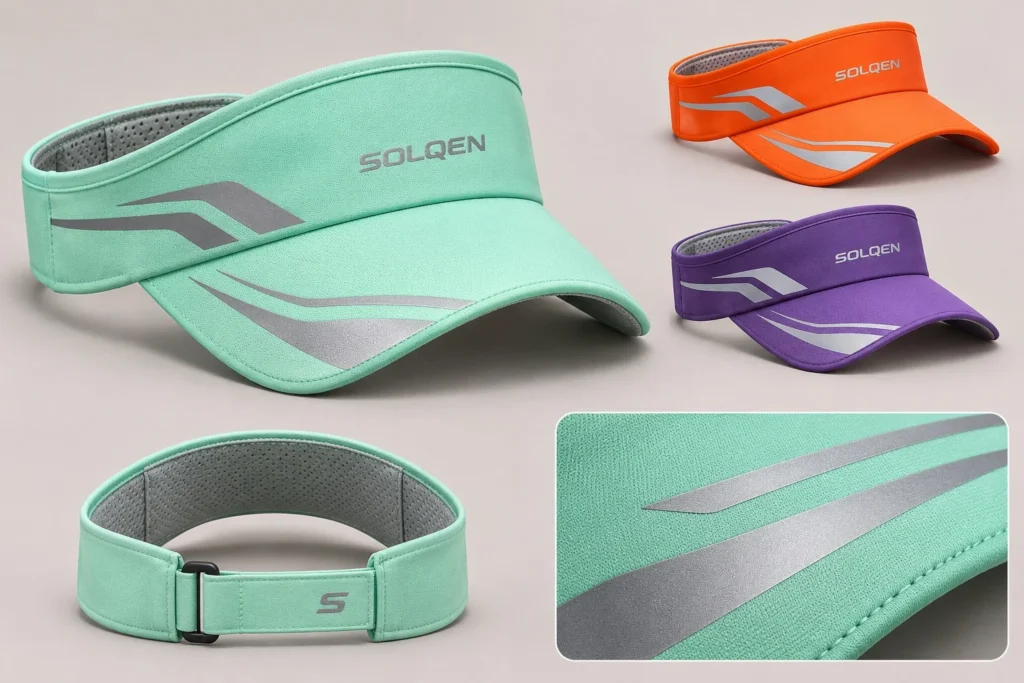
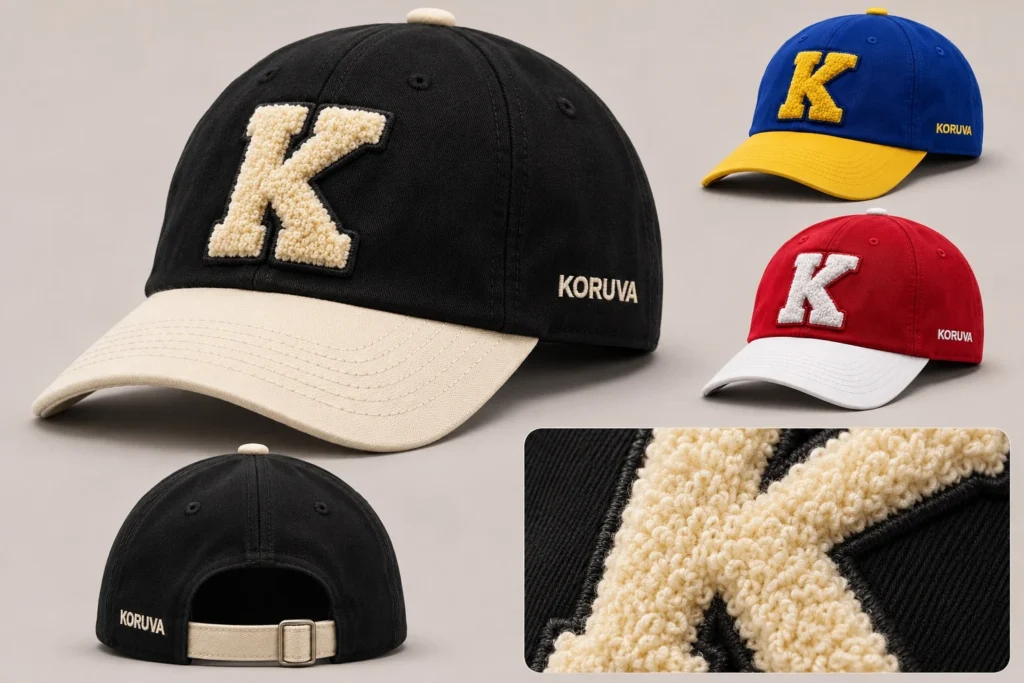
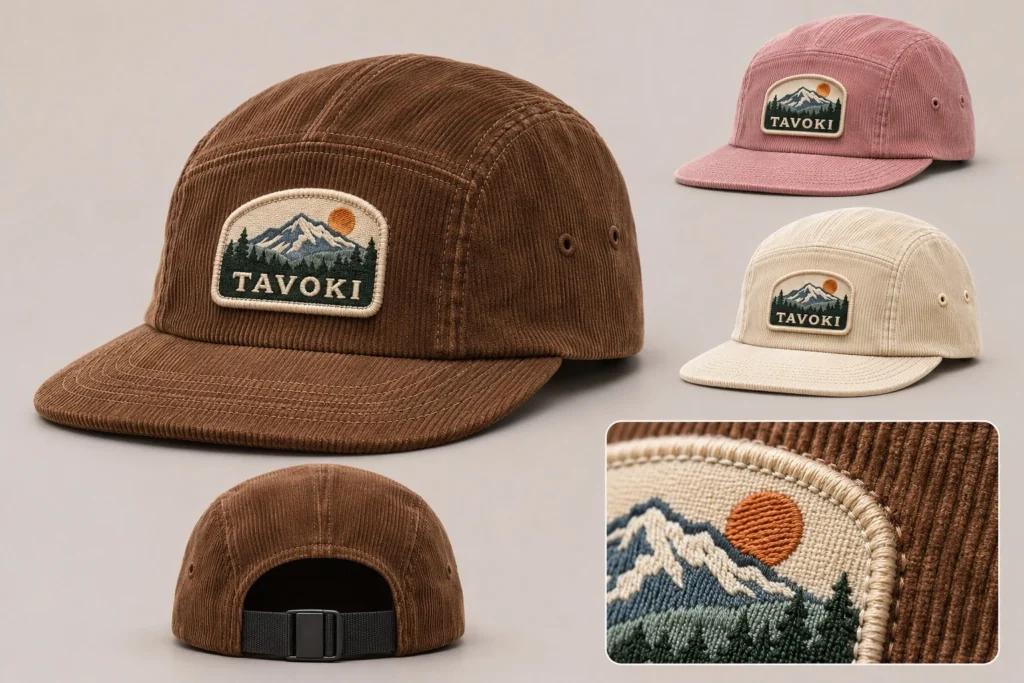
Reference images illustrate design directions and do not identify products manufactured by VIENA or imply a partnership with the pictured brand. GSM figures in this article are development targets; composition, availability and final specifications require project confirmation.
Technical background: Roland DG: DTF systems. Process settings and project approvals should be agreed with the selected specialist.