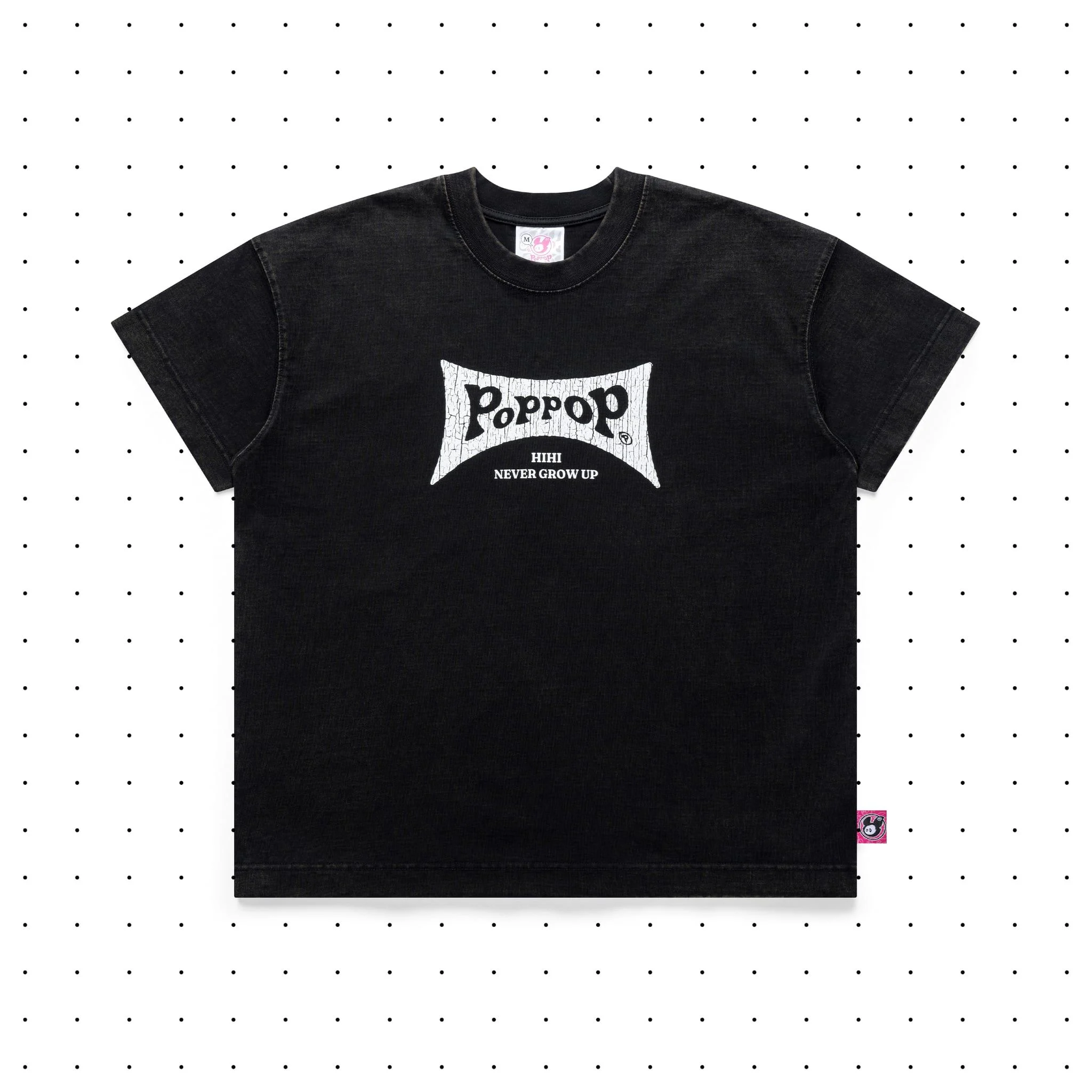
A washed streetwear tee can carry its identity through surface character rather than a large logo. When sourcing 250–300 GSM cotton development in Vietnam, describe the finish you want with physical references and an agreed range of acceptable variation.
Separate colour from surface character
Explain whether your priority is a faded colour, a softer feel, edge wear or a particular contrast around seams. These are different visual and tactile decisions. Ask the development partner to propose a route, and do not use a photograph as proof that the same result will occur on every cotton fabric.
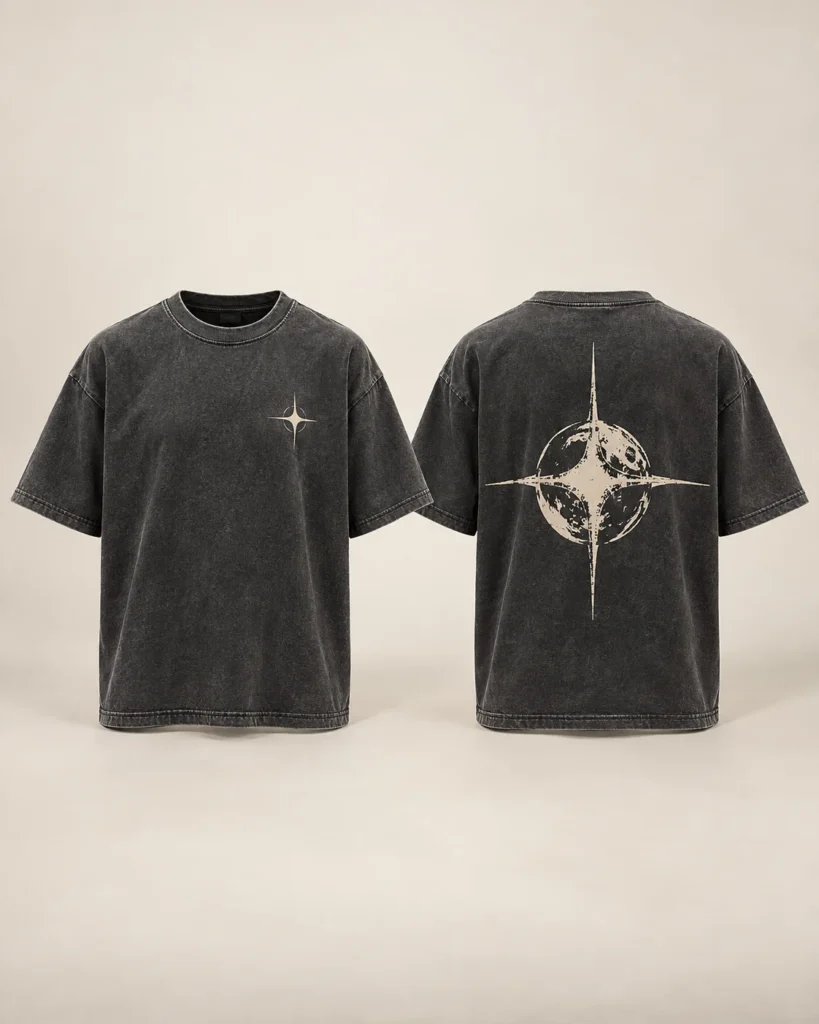
Approve more than one view
Review the front, back, neck and side seams under consistent lighting. If variation is intentional, compare several sample pieces and define the boundaries you accept. An isolated favourite photograph is less useful than a set that shows both the desired result and an unacceptable extreme.
Coordinate finish and decoration
Tell the partner whether artwork should be applied before or after the proposed garment finish. Ask to see the combined result. Confirm measurements after the relevant processing stage, because an unfinished sample should not silently become the dimensional standard for the finished tee.
Your development checklist
- A physical or clearly labelled finish reference
- Accepted colour and surface variation
- Decoration sequence agreed with the partner
- Finished garment measurements after processing
Can every piece look exactly the same?
Ask the partner to explain the expected variation for the proposed finish. Approve a realistic range instead of assuming an identical result.
Approve a washed finish with a range, not a screen colour
A washed tee is a finish specification as well as a colour choice. Document the approved shade, contrast at seams and acceptable variation between pieces. An attractive sample does not define how pale the darkest or lightest bulk piece may be. Use a physical reference set for the effect you want and keep the garment measurements after the wash process. Sequence matters: a graphic added before washing may behave differently from one added afterwards. Ask the partner to explain the proposed order of operations and approve that combination on production fabric.
| Decision | What to review | What to agree |
|---|---|---|
| Shade range | Keep an approved reference plus agreed lighter/darker boundaries. | Compare under consistent lighting. |
| Process order | State whether printing, labels and trims go before or after washing. | Review graphic colour, cracking and label appearance after the complete process. |
| Finished size | Measure the garment after the intended factory finish. | Distinguish production washing from the later consumer-care check. |
Does a washed look prove the garment will not shrink later?
No. A finish is not a guarantee of dimensional stability under every care condition. Confirm the intended care instruction and evaluate the finished garment accordingly.
Continue your product development
For the next decision, read Cotton Tee Shrinkage: How to Review a Wash Sample, compare Graphic Cotton T-Shirts: Preparing Print Placement, and use French Terry Wash Samples: What to Record to complete the brief.
Discuss the next sample with VIENA FACTORY
Share your product references, target measurements, material preferences and quantity breakdown. VIENA FACTORY develops samples and manufactures clothing in Vietnam through specialised production units, with our team managing the agreed production stages. Send your project brief, or explore our streetwear references and collection development guide.
Reference images illustrate design directions and do not identify products manufactured by VIENA or imply a partnership with the pictured brand. GSM figures in this article are development targets; composition, availability and final specifications require project confirmation.