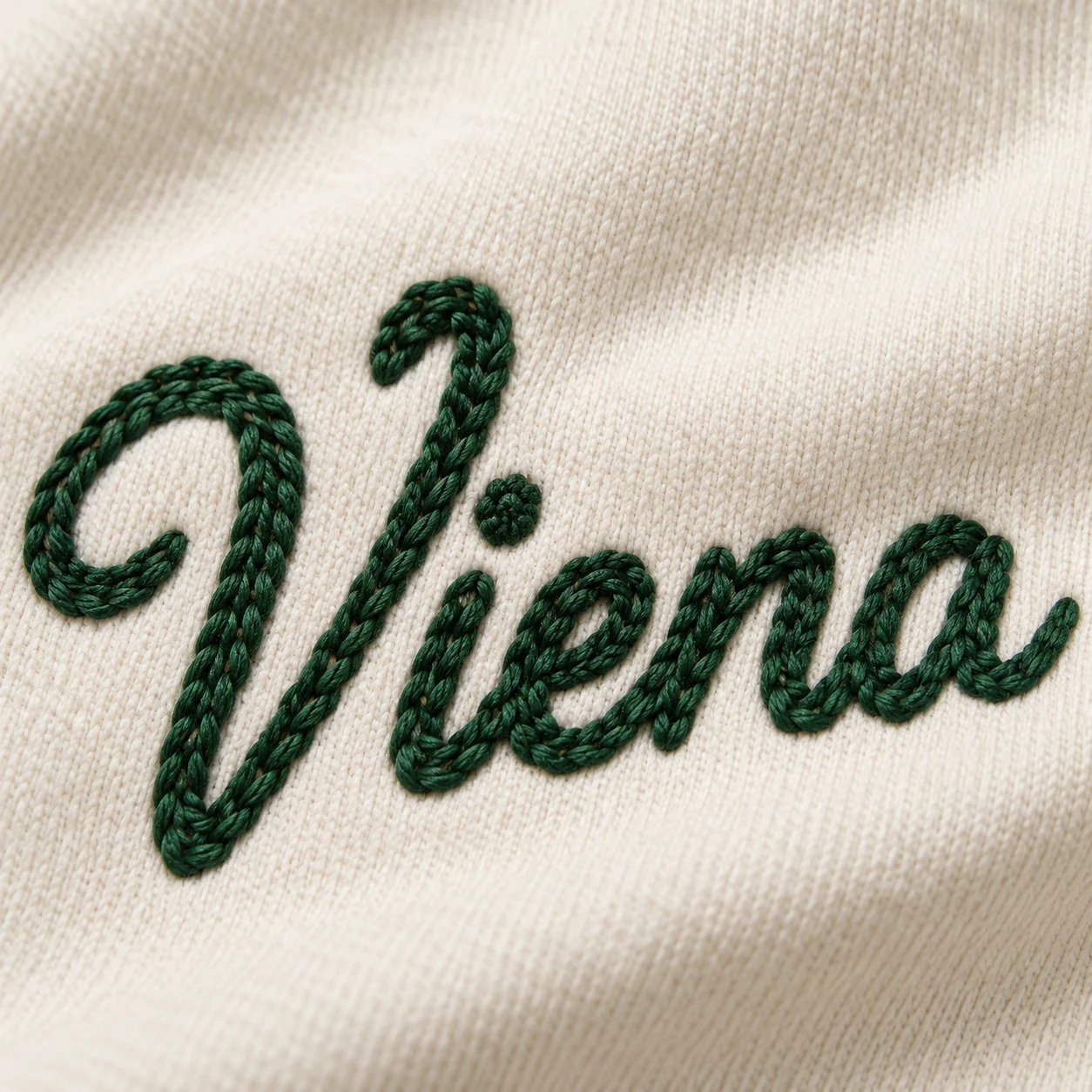
Print and embroidery can share one garment, but they need a combined approval. For 250–300 GSM cotton tees and 360–420 GSM fleece pieces, plan the artwork, assembly and finishing sequence with the development partner.
Map every decoration area
Create one layout showing print dimensions, embroidery dimensions and distances from garment reference points. Identify any overlap. Ask the specialists to flag areas where a seam, pocket, zip or another decoration could affect the intended result.
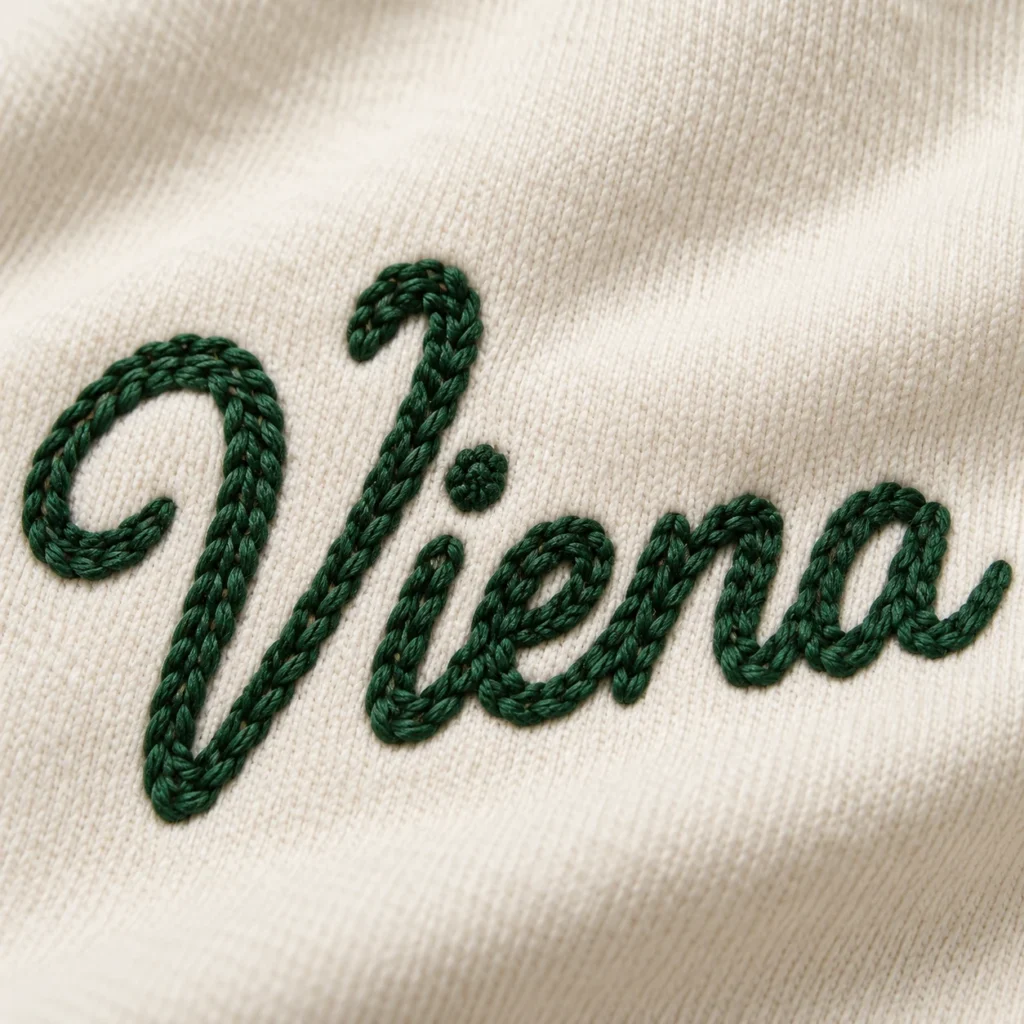
Approve the full combination
Separate strike-offs can help development, but the final sample should show the combined design on the intended fabric. Check alignment, surface feel and the inside of the embroidery. Wear the piece so a visually successful layout is also assessed for comfort.
Keep one final version
Record artwork files, digitised embroidery version, colours and the agreed process sequence together. Review the garment after the appropriate care procedure. If one technique changes, assess whether the other approval is affected instead of treating the changes as unrelated.
Your development checklist
- One layout covers every decoration
- Overlaps reviewed by the process specialists
- Full decorated sample approved
- Files and production sequence stored together
Can I approve print and embroidery on different samples?
Use separate trials during development, then review the combined result before final production approval.
Sequence print and embroidery before approving the artwork
Combining techniques introduces registration and access questions. Decide which operation comes first and whether the embroidery hoop, heat press or print platen can reach the area after garment assembly. A dense embroidered outline over a printed panel can feel different from the digital mockup. Review the combination on the production fabric, including the reverse. If a graphic crosses a seam or pocket, approve the physical assembly rather than independent print and sew-out samples.
| Decision | What to review | What to agree |
|---|---|---|
| Registration | Mark shared reference points and intended overlap. | Agree acceptable alignment using a physical sample. |
| Operation order | Ask how each tool reaches the selected position. | Review whether one process affects the other. |
| Care compatibility | Choose a care approach compatible with fabric, ink and thread. | Inspect the complete decoration after care. |
Can separate approved print and embroidery samples approve the combination?
They reduce risk but cannot prove registration, hand feel or process interaction on the finished garment. Approve one complete combined sample.
Continue your product development
For the next decision, read Screen Printing on Cotton Tees: A Brand’s Approval Guide, compare Embroidery on Heavy Cotton T-Shirts: Logo Development, and use Embroidery on Fleece Hoodies and Jackets to complete the brief.
Discuss the next sample with VIENA FACTORY
Share your product references, target measurements, material preferences and quantity breakdown. VIENA FACTORY develops samples and manufactures clothing in Vietnam through specialised production units, with our team managing the agreed production stages. Send your project brief, or explore our streetwear references and collection development guide.
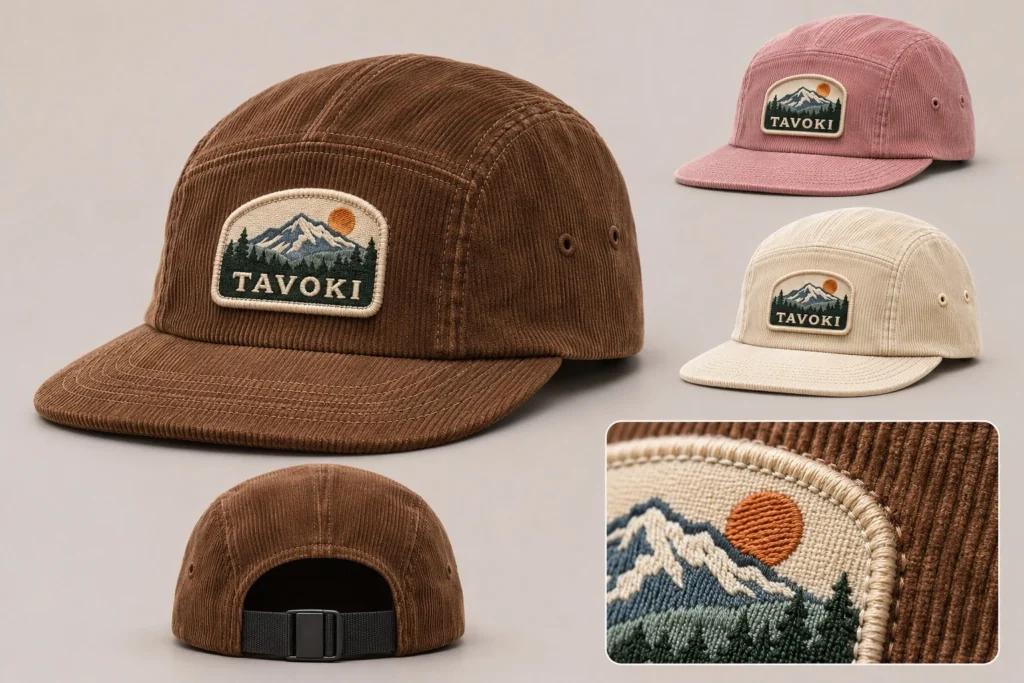
Reference images illustrate design directions and do not identify products manufactured by VIENA or imply a partnership with the pictured brand. GSM figures in this article are development targets; composition, availability and final specifications require project confirmation.