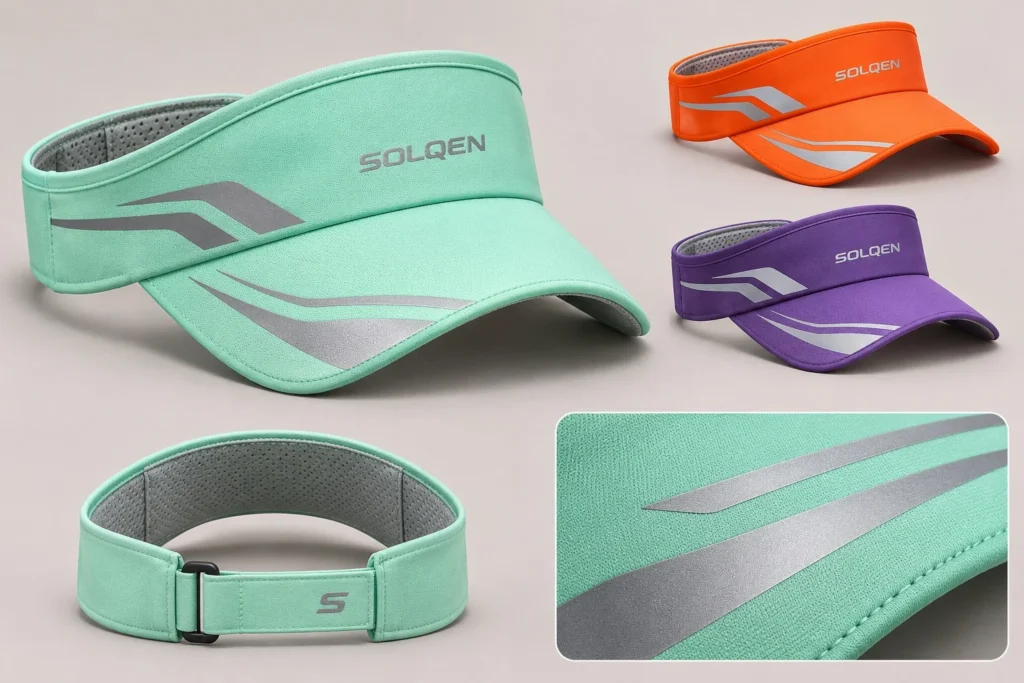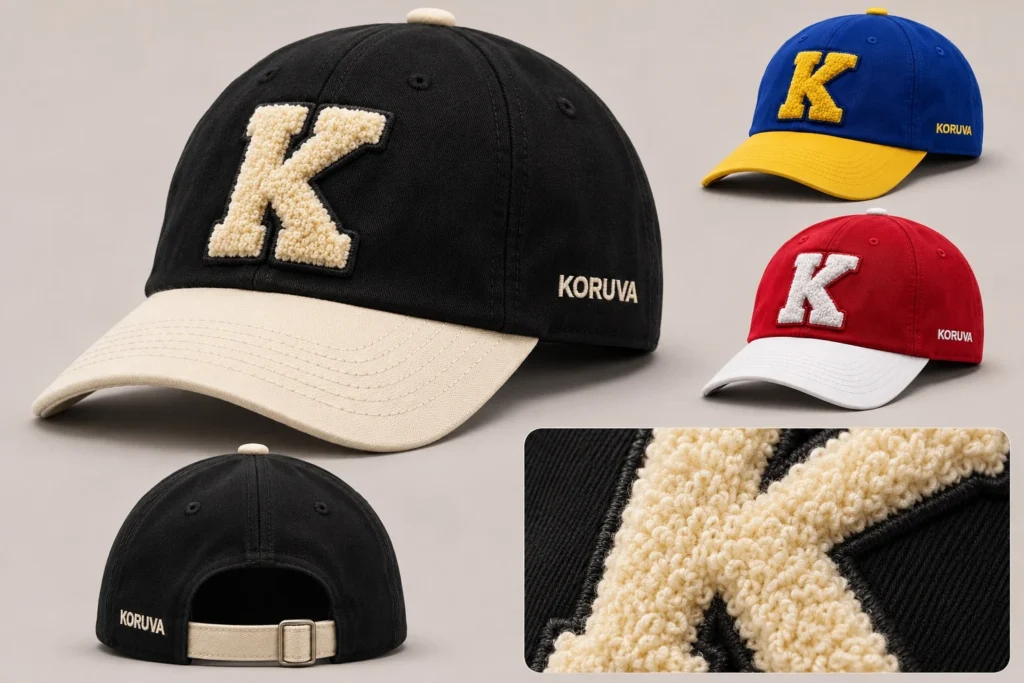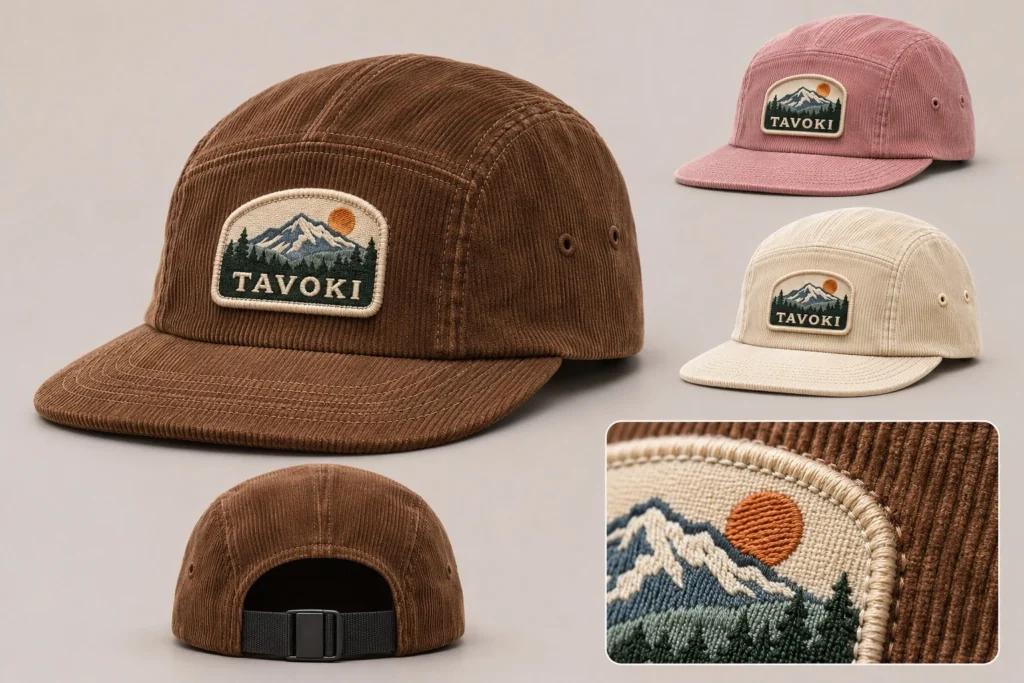

In lụa, or screen printing, is one route to explore for a streetwear graphic. Before ordering 250–300 GSM cotton tees from a Vietnam partner, define the artwork and approve the decorated sample rather than choosing a process name alone.
Start with the intended appearance
Tell the decoration partner whether the graphic should look opaque, distressed, tonal or otherwise textured. Provide the final-size artwork and garment colour. Ask the printer to recommend a suitable ink and process for that result instead of assuming every screen print has the same feel.
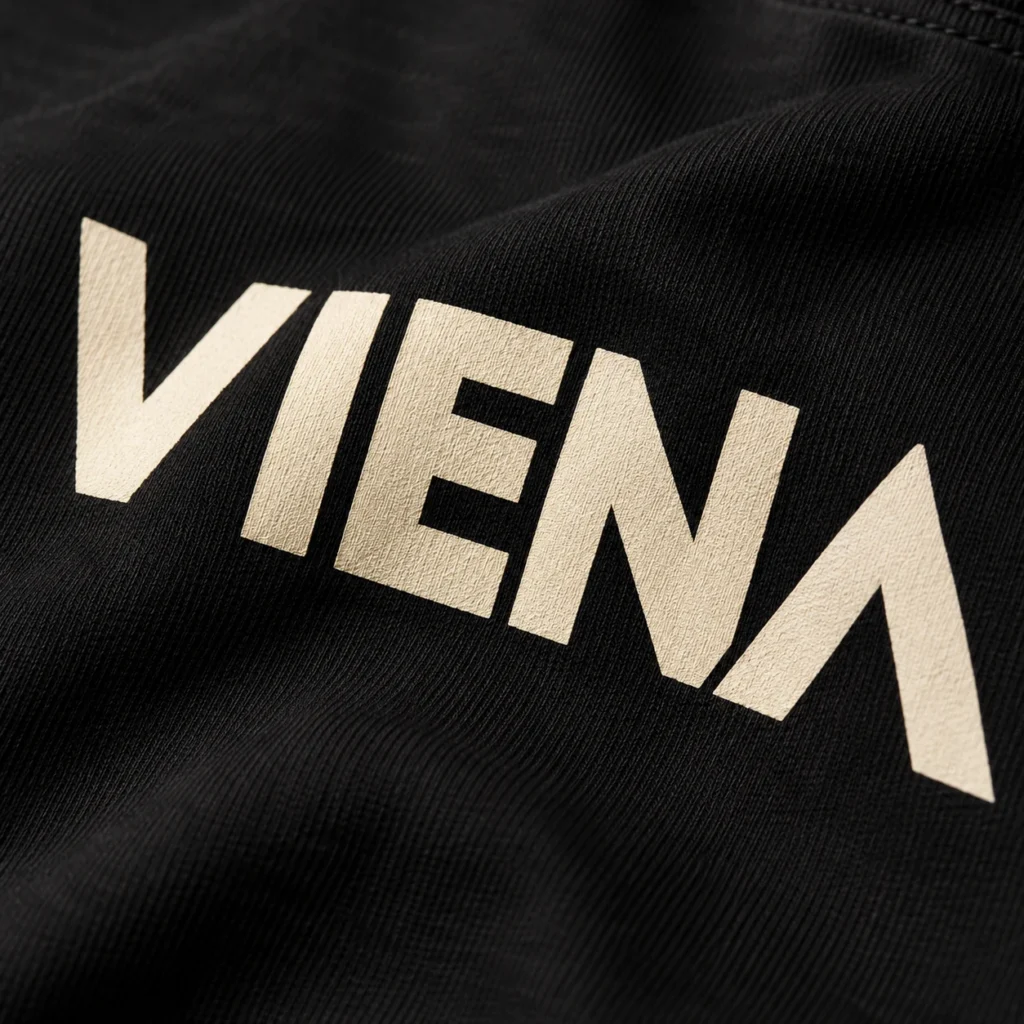
Review the physical print
Look at solid areas, edges, fine details and placement on the actual cotton fabric. Feel the printed surface while the garment is worn. Ask the printer to identify any changes needed to reproduce the design consistently, and approve those changes before making screens for the final version.
Connect approval with care
Agree the care review and the appearance requirements for the printed garment. Photograph the sample before and after the agreed process. Record colour references and the approved artwork version, so a later file revision does not become a different print without review.
Your development checklist
- Final-size artwork and garment colour
- Approved surface feel and colour appearance
- Placement on the actual tee
- Care review linked to the decorated sample
Can I approve a screen print from a digital mock-up?
Use a mock-up for layout, then approve a physical sample for appearance and feel.
Approve screen printing as artwork plus ink plus fabric
Direct screen printing applies ink through a stencil to the garment; screen-printed transfers add a carrier and a later heat application. Name the intended process so quotations are comparable. A dark cotton body may need an underbase depending on the ink and desired result, adding an operation that is invisible in a flat design file. Ask for a strike-off on the actual fabric shade and finish. Inspect colour, edge definition and hand feel after curing and agreed care; a dry surface alone does not establish a durable print.
| Decision | What to review | What to agree |
|---|---|---|
| Artwork/separations | Provide final dimensions, named colours and positions. | Ask whether the quote includes underbase and setup. |
| Fabric surface | Use the production jersey colour and finish for the strike-off. | Check opacity and hand rather than assuming a white-tee result transfers to black. |
| Approval | Review a cured and washed decorated sample. | Record the chosen system and accepted result for repeat runs. |
What a useful screen-print strike-off should show
A strike-off is a process trial, not just a colour picture. Supply final-size artwork and identify the fabric code, garment colour, print positions and intended effect. Ask the decorator to explain the selected ink system and any underbase. If the print will sit on a pocket or across a seam, a flat swatch cannot answer the whole placement question.
Evaluate fine edges, solid fill, colour relationships and hand feel on the cured sample. For a tonal image, inspect the lightest and darkest useful areas instead of approving only its midtones. View it at normal wearing distance and close up. Record which differences are acceptable rather than relying on a monitor image as the bulk standard.
After the agreed care, compare the graphic and the surrounding garment. The body and print should be reviewed together because a stable-looking print on a distorted tee still gives a poor customer result. Ask the partner to use the chosen ink manufacturer’s curing instructions and verify its process. No universal time/temperature in a general blog can replace those product-specific requirements.
For cost comparison, keep setup, colours, positions and order quantity consistent. A repeat run may allocate setup differently from a first small drop. Where DTF is an alternative, compare samples of equivalent size and coverage on the same fabric. Choosing only from a per-print headline price can miss differences in preparation, application and finished feel.
Is screen printing always cheaper than DTF?
No. Compare the same quantity, colours, artwork area, positions and finishing. Setup allocation and repeat quantity can change the result.
Continue your product development
For the next decision, read Halftone Screen Printing: Preparing Trame Artwork, compare Screen Print or DTF? Comparing a Streetwear Graphic, and use Graphic Cotton T-Shirts: Preparing Print Placement to complete the brief.
Discuss the next sample with VIENA FACTORY
Share your product references, target measurements, material preferences and quantity breakdown. VIENA FACTORY develops samples and manufactures clothing in Vietnam through specialised production units, with our team managing the agreed production stages. Send your project brief, or explore our streetwear references and collection development guide.
Reference images illustrate design directions and do not identify products manufactured by VIENA or imply a partnership with the pictured brand. GSM figures in this article are development targets; composition, availability and final specifications require project confirmation.